Your Skin During GLP-1 Weight Loss: Why Rapid Weight Loss Changes Skin Elasticity, Firmness And Hair Health

GLP-1 medications have changed the conversation around weight loss. Originally developed to help manage type 2 diabetes, they have become one of the most significant advances in obesity treatment, helping millions achieve meaningful and sustainable weight loss. Alongside these changes has come another conversation, one that has little to do with the number on the scale and everything to do with what people are seeing in the mirror.
The internet has given it a name: "Ozempic Face."
It is a phrase that has dominated headlines, celebrity interviews and social media, often suggesting that the medication itself causes premature ageing. The reality is more nuanced. The skin changes some people experience are not caused by GLP-1 medications themselves. They are a consequence of rapid weight loss and the remarkable way the body adapts to changing body composition. Understanding why these changes occur begins beneath the surface of the skin.

Why Your Skin Changes During Rapid Weight Loss
Facial fat does far more than create youthful volume. It forms part of the structural foundation beneath the skin, supporting the collagen and elastin network that gives the face its shape, firmness and resilience.
During rapid weight loss, this subcutaneous fat is reduced alongside fat stores throughout the rest of the body. As that support changes, the skin is required to remodel around its new foundation. While the body may lose weight relatively quickly, the skin cannot always keep pace.
This is because collagen remodelling is a gradual biological process. Fibroblasts, the specialised cells responsible for producing collagen and elastin, require time and energy to reorganise the skin's supporting framework. As we age, these cells naturally become less active, collagen production slows and the skin's ability to adapt becomes less efficient.
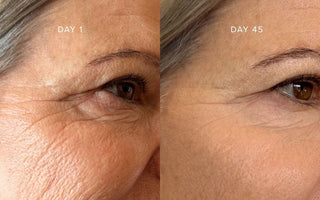
Rather than suddenly ageing, the skin is responding to a structural change beneath it. Existing fine lines may become more apparent, facial contours can appear softer and skin may feel less firm simply because the underlying support has changed faster than the collagen network can remodel.
The Signs People Commonly Notice
Although everyone's experience is different, rapid weight loss can lead to several visible changes in the skin.
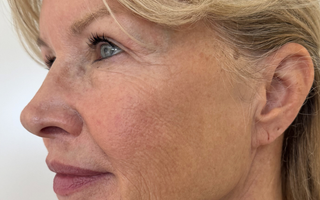
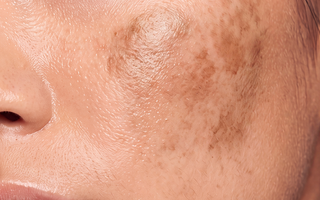
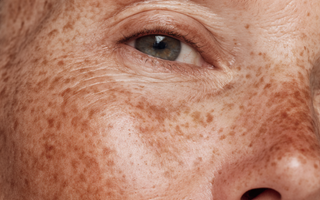
Reduced skin firmness and elasticity are often among the first concerns people notice. Facial definition may appear softer, particularly around the cheeks and jawline, while fine lines can become more noticeable as the skin adjusts to changes in volume. Some people also experience increased dryness or dullness, particularly if calorie restriction or nutritional deficiencies affect overall skin function.
These changes are not permanent signs of accelerated ageing. They reflect the skin adapting to a new physiological state.

Your Hair Can Be Affected Too
Skin is not the only tissue adapting during rapid weight loss.
Hair follicles are highly sensitive to physiological stress, changes in nutrient availability and shifts in metabolic demand. Following significant weight loss, more follicles may enter the resting phase of the hair growth cycle, a process known as telogen effluvium. Several months later, these hairs naturally shed, leading to noticeable thinning or increased hair loss.
For many people this is temporary, but it highlights an important point. Rapid weight loss affects the entire body, not just fat stores. Supporting healthy scalp function throughout this transition becomes just as important as supporting the skin.
Supporting Skin As It Adapts
Healthy-looking skin is built long before it becomes visible on the surface.
While moisturisers, serums and daily SPF remain essential for maintaining the skin barrier and protecting against environmental damage, they cannot replace the biological processes responsible for rebuilding the skin's internal structure. Collagen remodelling occurs within the dermis, where fibroblasts continuously repair, reorganise and strengthen the extracellular matrix.
These processes require cellular energy.
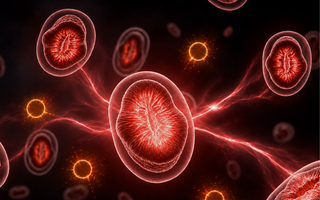
Inside every skin cell are mitochondria, often referred to as the cell's powerhouses. Their role is to produce adenosine triphosphate (ATP), the molecule that fuels almost every cellular function, including collagen synthesis, tissue repair and normal skin renewal. When mitochondrial function declines with age, these regenerative processes naturally become less efficient.
Supporting healthy mitochondrial activity has therefore become an important area of research within skin longevity, particularly for individuals experiencing rapid changes in body composition.
Technology That Works Beneath The Surface
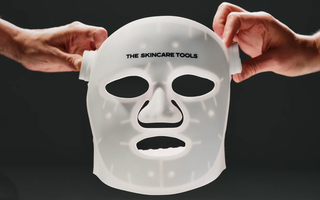
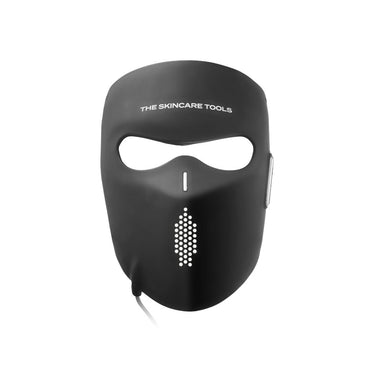
Unlike topical skincare, Laser Light Therapy works below the skin's surface by delivering concentrated light energy into the tissue where collagen remodelling occurs.
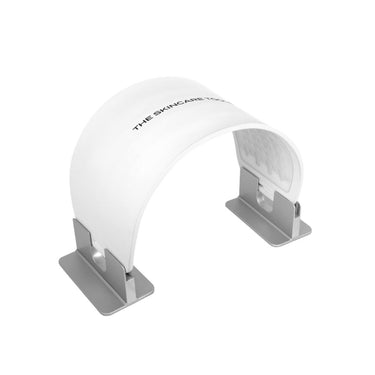
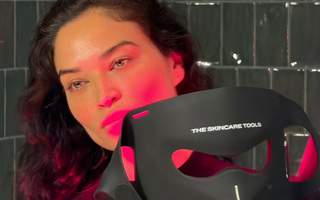
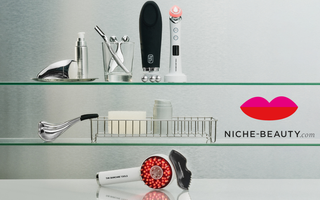
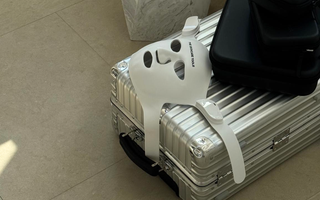
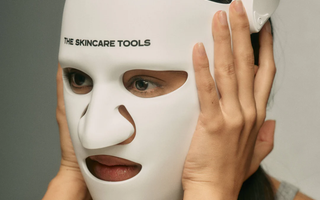
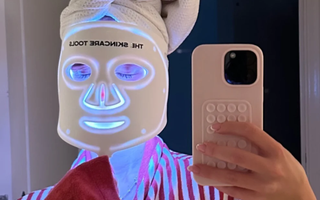
The 4D Pro Laser Light Therapy Face Mask combines three precision laser wavelengths, 660nm Deep Red, 850nm Near-Infrared and 1064nm Long-Wave Near-Infrared, to support mitochondrial activity and ATP production. By providing cells with the energy required for normal repair processes, Laser Light Therapy helps support collagen activity while improving the appearance of firmness, elasticity, fine lines and overall skin texture over time.
As the skin gradually remodels following rapid weight loss, consistent treatment helps support the biological processes responsible for healthier-looking, more resilient skin.
Supporting Healthy Hair Growth
The scalp also benefits from technologies designed to support healthy cellular function.
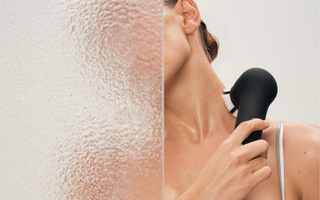
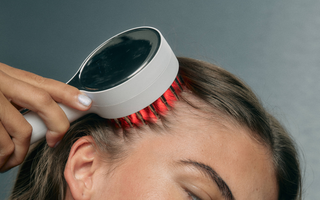
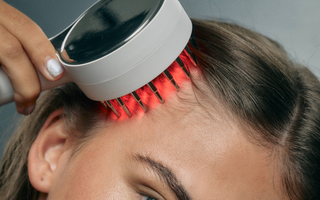
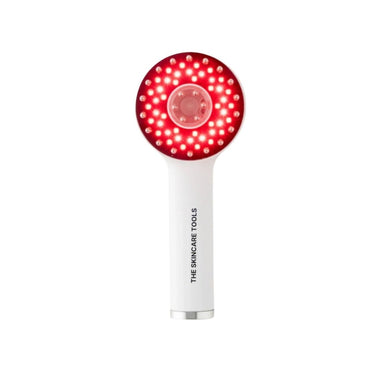
The 5-In-1 Scalp Care Brush combines Hair Laser Therapy, Multi-Wave LED Light Therapy, EMS Microcurrent, Vibration Massage and Targeted Serum Infusion to support circulation, energise hair follicles and improve the absorption of targeted scalp treatments. Together, these technologies help create an environment that supports stronger, fuller-looking hair with continued use.
For people navigating hair shedding associated with rapid weight loss, supporting scalp health early can become an important part of their long-term routine.
The Bottom Line
Rapid weight loss changes more than body composition. It asks every tissue in the body to adapt, including the skin and scalp.
While the scale may move quickly, collagen remodelling, tissue repair and the hair growth cycle all operate on their own timeline. Understanding these processes makes it easier to support them with consistency rather than chasing quick fixes.
A routine built around good nutrition, adequate protein intake, hydration, daily sun protection and technologies that support healthy cellular function can help your skin and hair adapt alongside the rest of your transformation.