Dark spots on the face are one of the most common skin concerns, affecting people of all ages and skin types. Whether they appear after years of sun exposure, following acne, during pregnancy, or seemingly without warning, facial pigmentation can make the complexion look uneven, dull and older than it feels.
The good news is that dark spots are rarely random. They develop because the skin is responding to a trigger, and understanding that trigger is the first step towards choosing the right treatment.
In this guide, we'll explain what causes dark spots on the face, the different types of pigmentation, how to prevent new dark spots from forming, and the most effective ways to fade existing pigmentation while supporting healthier-looking skin over time.
What Are Dark Spots on the Face?
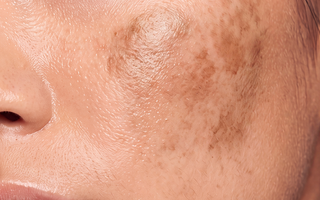
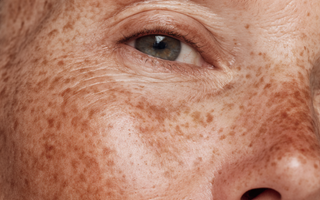
Dark spots on the face are areas of excess pigmentation, also known as hyperpigmentation. They occur when specialised skin cells called melanocytes produce more melanin than the surrounding skin.
Melanin is the pigment responsible for giving skin its colour. Its primary role is to protect the skin from damage caused by ultraviolet (UV) radiation. Whenever the skin experiences stress, whether from sunlight, inflammation, heat or hormonal changes, melanocytes can respond by producing additional melanin.
When this pigment is produced unevenly or in excess, it becomes visible as dark spots.
Contrary to popular belief, dark spots are not simply a cosmetic issue. They are often a sign that the skin has been responding to environmental or biological stress over time.

What Causes Dark Spots on the Face?
There isn't one single cause of facial pigmentation. Instead, several internal and external factors can stimulate excess melanin production.
1. Sun Exposure
The most common cause of dark spots on the face is prolonged exposure to ultraviolet (UV) radiation.
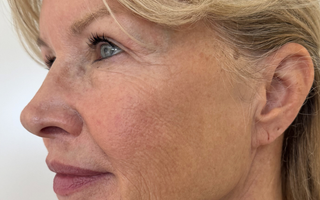
Every time your skin is exposed to the sun, melanocytes produce melanin to help protect your cells from UV damage. Over years of repeated exposure, pigment production can become uneven, resulting in age spots or sun spots.
Areas that receive the most sunlight, including the forehead, cheeks, nose and upper lip, are usually the first places pigmentation develops.
Even after dark spots have appeared, ongoing UV exposure can cause them to become darker and more difficult to treat.
2. Post-Inflammatory Hyperpigmentation (PIH)
Dark marks that remain after acne, eczema, cuts, burns or skin irritation are known as post-inflammatory hyperpigmentation.
When the skin becomes inflamed, melanocytes often produce additional melanin during the healing process. Although the inflammation eventually resolves, the excess pigment can remain visible for weeks or months.
Picking blemishes or repeatedly irritating the skin can make post-inflammatory pigmentation significantly worse.
3. Hormonal Changes
Hormones play an important role in regulating pigmentation.
Changes associated with pregnancy, oral contraceptives, perimenopause and menopause can stimulate melanocytes, leading to larger patches of pigmentation known as melasma.
Unlike age spots, melasma often appears symmetrically across the cheeks, forehead, nose and upper lip.
Hormonal pigmentation can also become more noticeable after sun exposure.
4. Heat Exposure
Many people are surprised to learn that heat can also influence pigmentation.
Hot environments, steam rooms, saunas and prolonged exposure to high temperatures may increase inflammatory signals within the skin, potentially worsening existing pigmentation, particularly melasma.
This is one reason pigmentation often becomes more noticeable during summer months.

5. Blue Light
Emerging research suggests that prolonged exposure to high-energy visible (HEV) light, commonly known as blue light, may contribute to pigmentation in some individuals, particularly those with darker skin tones.
While more research is needed, daily sun protection remains the most effective defence against both UV and visible light exposure.
6. Skin Ageing
As we age, skin renewal naturally slows.
Younger skin sheds pigmented cells relatively efficiently. However, slower cellular turnover means pigment can remain visible for longer, making dark spots appear more persistent.
Collagen decline, reduced skin resilience and cumulative sun exposure all contribute to pigmentation becoming more noticeable over time.
7. Genetics
Some people are simply more genetically predisposed to developing pigmentation than others.
If your parents or close family members developed age spots, melasma or freckles, you may have a greater likelihood of experiencing similar concerns.
Types of Dark Spots on the Face
Not every dark spot is the same. Understanding the type of pigmentation you have helps determine the most appropriate treatment approach.
| TYPE | CAUSE | APPEARANCE |
|---|---|---|
| Age Spots | Long-term UX exposure | Flat brown spots commonly appearing after age 40 |
| Sun Spots | Sun damage | Small brown patches on sun-exposed skin |
| Melasma | Hormonal changes + UV | Larger symmetrical patches, often on cheeks and forehead |
| Post-Inflammatory Hyperpigmentation | Acne or skin injury | Brown, grey or darker marks after inflammation |
| Freckles | Genetics + UV Exposure | Small clusters that darken with sun exposure |

Why Do Dark Spots Become Darker?
Dark spots often continue to deepen because the underlying trigger hasn't been addressed.
Several factors can cause pigmentation to become more noticeable over time, including:
- Ongoing sun exposure without daily SPF
- Chronic inflammation
- Picking or squeezing blemishes
- Heat exposure
- Hormonal fluctuations
- Slower skin renewal with age
- Oxidative stress
- A weakened skin barrier
Preventing these triggers is often just as important as treating existing pigmentation.
Can Dark Spots Fade Naturally?
Some dark spots can fade naturally over time.
Post-inflammatory pigmentation from acne may gradually improve over several months, particularly if the skin is protected from further UV exposure.
However, deeper pigmentation, age spots and melasma are often much slower to improve without targeted treatment.
Patience is essential. Pigmentation develops gradually, and meaningful improvement usually requires consistent care over several months rather than weeks.
How to Get Rid of Dark Spots on the Face
Successfully treating dark spots usually involves combining prevention with treatments that support healthy skin renewal.
1. Wear Sunscreen Every Day
Daily broad-spectrum SPF is the single most important step for preventing pigmentation from worsening.
Without sun protection, many pigmentation treatments become significantly less effective because UV exposure continues stimulating melanin production.
Look for an SPF 50+ sunscreen and apply it every morning, even on cloudy days.
2. Use Evidence-Based Skincare Ingredients
Several skincare ingredients have been extensively studied for improving the appearance of pigmentation.
These include:
- Vitamin C
- Niacinamide
- Retinoids
- Azelaic Acid
- Tranexamic Acid
- Hydroquinone (under medical supervision)
These ingredients work through different mechanisms, including reducing melanin production, increasing skin renewal and supporting a healthier skin barrier.
3. Professional Treatments
Dermatologists and cosmetic practitioners may recommend professional treatments depending on the type and severity of pigmentation.
These can include:
- Chemical peels
- IPL (Intense Pulsed Light)
- Fractional laser treatments
- Pigment-targeting laser procedures
- Microneedling (for selected cases)
Professional treatments may deliver faster results but often require downtime, multiple sessions and ongoing maintenance.

4. Daily Light-Based Technology
Professional treatments are only one part of a long-term pigmentation strategy. Healthy-looking skin is built through the daily habits that support normal skin renewal between appointments.
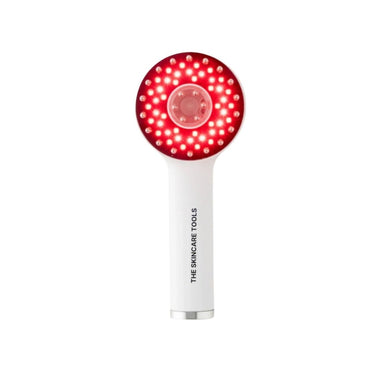
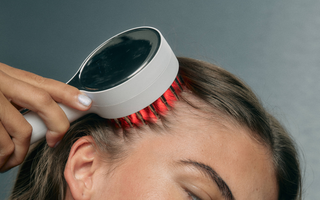
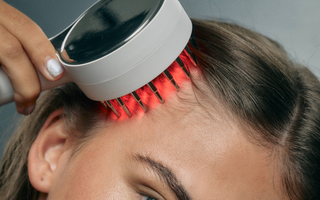
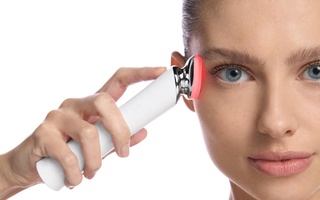
Light-based technologies such as photobiomodulation use specific wavelengths of light to support healthy cellular activity without damaging the skin. Unlike ablative laser treatments that intentionally create controlled injury, photobiomodulation works by supporting mitochondrial activity inside skin cells. Mitochondria produce ATP (adenosine triphosphate), the energy source every cell relies on to carry out normal biological processes.
Supporting cellular energy production may help optimise the skin's natural renewal processes and improve overall skin quality over time when used consistently alongside sun protection and clinically supported topical skincare.
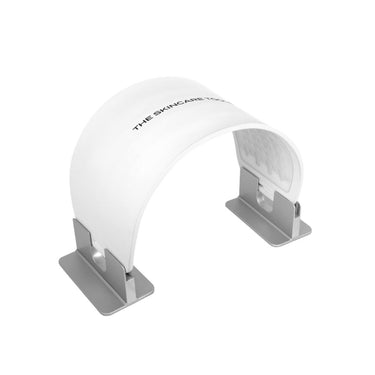
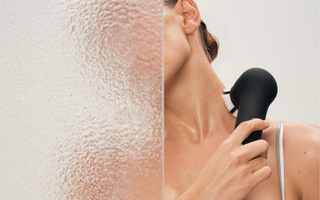
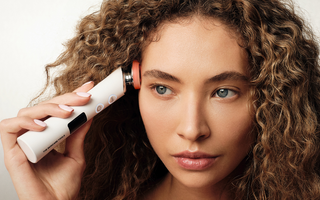
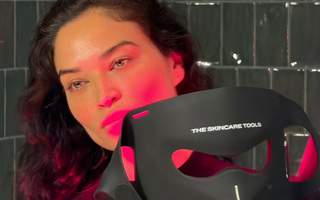
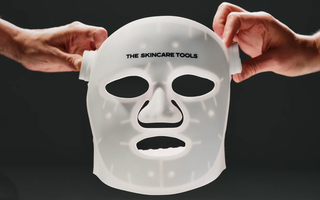
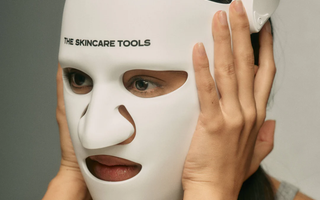
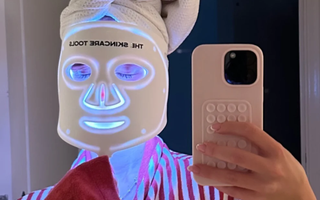
At The Skincare Tools, our 4D Pro Laser Light Therapy Face Mask combines precision laser wavelengths designed to support cellular energy production and healthy-looking skin as part of a long-term skin longevity routine.
Rather than chasing pigmentation after it appears, this approach focuses on supporting healthier skin function every day.

Daily Routine for Dark Spots
Morning
- Gentle cleanser
- Vitamin C serum
- Moisturiser
- Broad-spectrum SPF 50+
Evening
- Gentle cleanse
- Retinoid or pigmentation treatment (if suitable)
- Hydrating moisturiser
- Laser Light Therapy as part of your skin longevity routine
Consistency matters more than intensity.
How Long Does It Take to Fade Dark Spots?
The timeline depends on the cause, depth and severity of pigmentation.
General expectations include:
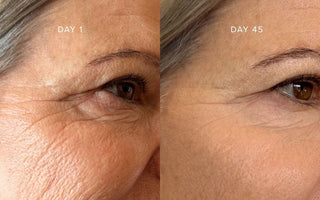
- 2-4 weeks: Skin may appear brighter and more even.
- 6-8 weeks: Mild pigmentation may begin fading.
- 3-6 months: More significant improvement with consistent treatment.
- 6-12 months: Deeper pigmentation and melasma often require ongoing management.
Pigmentation is rarely an overnight concern, which means lasting improvements also require long-term consistency.
Common Mistakes That Make Dark Spots Worse
Avoid these common habits:
- Skipping sunscreen
- Picking pimples
- Over-exfoliating
- Using too many active ingredients at once
- Giving up on treatments too early
- Chasing quick fixes instead of consistent routines
Healthy-looking skin is built through daily habits, not occasional treatments.
Frequently Asked Questions
What causes dark spots on the face?
Dark spots are usually caused by excess melanin production triggered by sun exposure, inflammation, hormones, ageing or genetics.
Can dark spots disappear completely?
Some superficial pigmentation can fade naturally or respond well to treatment, while deeper pigmentation such as melasma often requires ongoing management.
What is the fastest way to fade dark spots?
Combining daily SPF, evidence-based skincare ingredients and professional treatments when appropriate generally delivers the best outcomes.
Can vitamin C help dark spots?
Vitamin C is a well-studied antioxidant that may help improve the appearance of pigmentation while protecting against oxidative stress.
Can laser light therapy help dark spots?
Photobiomodulation is not designed to directly remove pigment in the same way as pigment-targeting medical lasers. However, supporting healthy cellular energy production and normal skin renewal may contribute to healthier-looking, more even-toned skin over time as part of a comprehensive pigmentation routine.
Are dark spots permanent?
Not always. Some fade naturally, while others require ongoing management depending on their cause.
Final Thoughts
Dark spots on the face rarely appear overnight, and they rarely disappear overnight either. The healthiest approach isn't simply trying to erase pigmentation after it appears. It's understanding why those dark spots developed in the first place and supporting the biological processes that help skin stay healthy over time.
Daily sun protection, evidence-based skincare ingredients and technologies that support healthy skin function can all play an important role in maintaining brighter, more even-looking skin. Healthy-looking skin isn't built through quick fixes. It's built through consistent habits that support your skin beneath the surface, every single day.