Pigmentation is one of the most common skincare concerns, yet many people use the terms pigmentation, age spots, melasma and freckles interchangeably. While they all involve changes in skin colour, they are not the same condition and they do not develop for the same reasons.
Understanding what type of pigmentation you have is important because the underlying cause often determines the most effective way to manage it.
What Is Pigmentation?
Pigmentation is the general term used to describe changes in the colour of the skin caused by melanin.
Melanin is the natural pigment that gives your skin, hair and eyes their colour. It is produced by specialised cells called melanocytes, which are located in the deepest layer of the epidermis.
The primary role of melanin is to protect your skin from ultraviolet (UV) radiation. When your skin is exposed to sunlight, melanocytes produce more melanin to help absorb UV rays before they can damage your DNA.
Problems occur when melanin is produced unevenly or in excess. Instead of being evenly distributed throughout the skin, pigment collects in certain areas, creating darker patches or spots.
Pigmentation itself is not a diagnosis. It is simply an umbrella term that includes several different conditions.
How Pigmentation Forms
Every day, your skin is exposed to factors that influence melanin production.
The most common trigger is UV exposure, but hormones, inflammation, genetics and ageing also play an important role.
When melanocytes are stimulated, they produce melanin and transfer it into surrounding skin cells. These pigmented cells gradually move towards the surface as part of the skin's natural renewal cycle before eventually shedding.
If melanocytes become overactive or skin renewal slows, excess melanin remains within the skin, making pigmentation increasingly visible.
Different triggers produce different patterns of pigmentation, which is why freckles look very different from melasma or age spots.

What Are Age Spots?
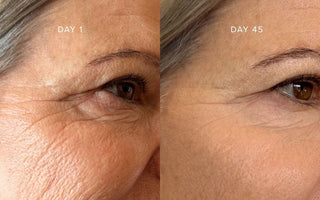
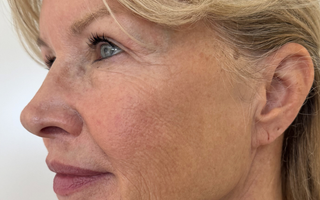
Age spots, also known as sun spots or solar lentigines, develop after years of cumulative sun exposure.
Despite their name, they are not caused simply by getting older. They appear because decades of UV exposure repeatedly stimulate melanocytes in the same areas of skin.
Age spots usually appear on areas that receive the most sunlight, including the face, hands, shoulders, chest and forearms.
They are typically flat, well-defined and range from light brown to dark brown. Unlike freckles, they usually do not disappear during winter and often become more noticeable with age as skin renewal slows.
What Is Melasma?
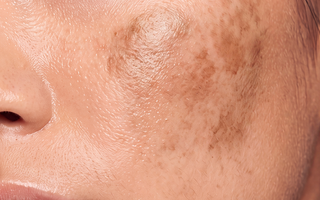
Melasma is a chronic pigment disorder that is strongly influenced by hormones.
It commonly develops during pregnancy, while taking hormonal contraception or during menopause, although it can also affect men.
Rather than appearing as individual spots, melasma usually forms larger patches of pigmentation across the cheeks, forehead, bridge of the nose and upper lip.
Sun exposure significantly worsens melasma because UV light stimulates already overactive melanocytes.
Melasma is often more difficult to treat than age spots because hormonal influences continue to drive pigment production beneath the surface.

What Are Freckles?
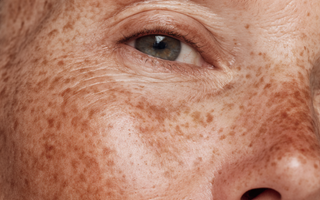
Freckles are small collections of melanin that are largely determined by genetics.
People with lighter skin tones and red or blonde hair are more likely to develop freckles, although they can occur in any skin type.
Unlike age spots, freckles become darker after sun exposure and often fade during winter when UV exposure decreases.
Freckles themselves are harmless and do not necessarily indicate skin damage, although increased sun exposure can make them more numerous over time.
What Is Post-Inflammatory Hyperpigmentation?
Another common form of pigmentation is post-inflammatory hyperpigmentation, often shortened to PIH.
This occurs after the skin experiences inflammation caused by acne, eczema, burns, cosmetic procedures or injury.
As part of the healing process, inflammation stimulates melanocytes to produce additional melanin. Once the skin heals, excess pigment can remain behind as a flat brown or grey patch.
Unlike age spots or freckles, post-inflammatory hyperpigmentation develops exactly where the skin was previously inflamed.

Why Pigmentation Becomes More Common With Age
Many forms of pigmentation become more noticeable over time because the skin changes as we age.
Cell turnover gradually slows, meaning pigmented cells remain on the surface for longer before naturally shedding. Years of cumulative UV exposure continue to stimulate melanocytes, while oxidative stress from pollution, sunlight and lifestyle factors affects the skin's ability to repair itself efficiently.
Melanocytes also become less evenly distributed with age, producing larger concentrations of pigment in certain areas.
This combination of slower renewal and accumulated environmental damage explains why uneven skin tone often becomes more noticeable during your forties and beyond.
Can Pigmentation Be Prevented?
Not every type of pigmentation can be completely prevented. Genetics and hormonal changes are factors you cannot control.
However, there are several ways to reduce unnecessary stimulation of melanocytes and support healthier-looking skin.
Daily broad-spectrum SPF remains the single most effective way to minimise UV-induced pigmentation. Avoiding unnecessary inflammation, maintaining a healthy skin barrier and incorporating antioxidants into your skincare routine may also help reduce oxidative stress that contributes to uneven skin tone.
Consistency is far more important than using aggressive treatments occasionally.
Supporting Skin Health At Home
Professional treatments such as laser resurfacing, IPL and chemical peels may be appropriate for some forms of pigmentation, particularly stubborn age spots and certain cases of melasma. However, supporting the overall health and function of your skin every day is equally important.
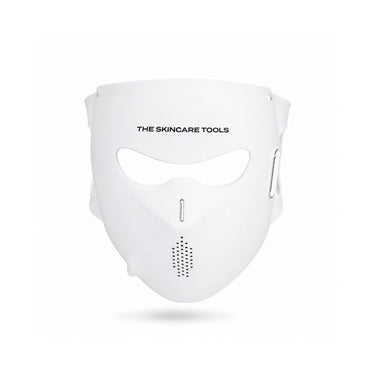
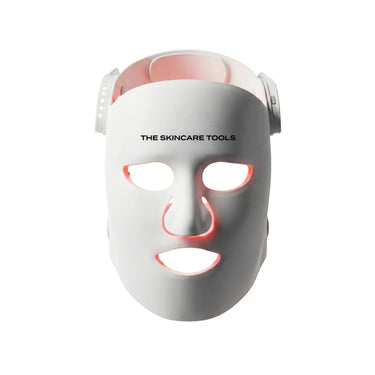
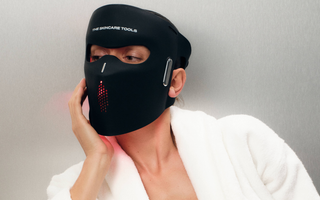
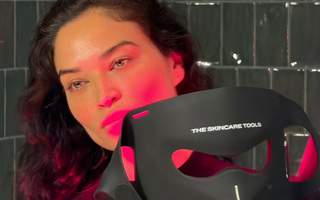
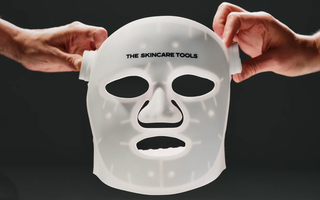
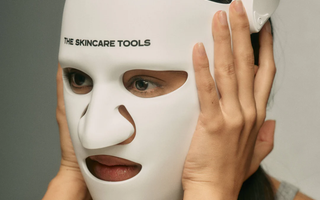
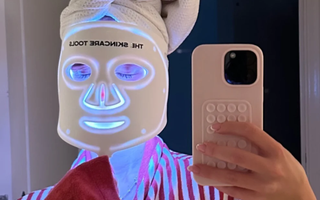
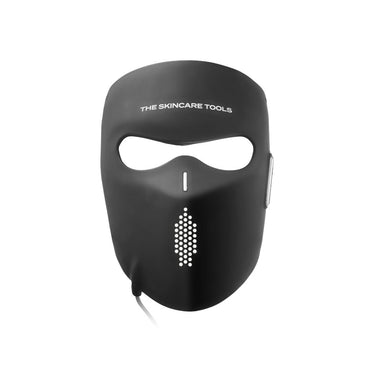
The 4D Pro Laser Light Therapy Face Mask uses three clinically studied wavelengths of laser light to support cellular energy production (ATP), collagen activity and the skin's natural renewal processes. Rather than targeting pigment directly, it helps create an environment that supports healthier-looking skin over time.
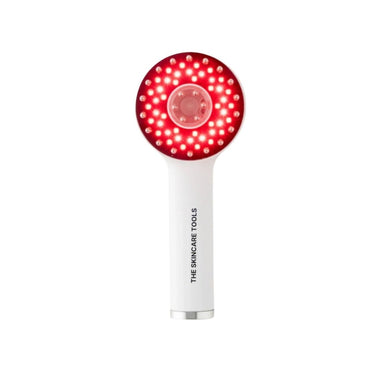
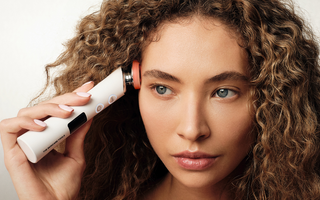
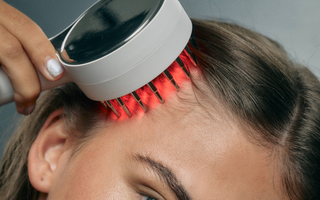
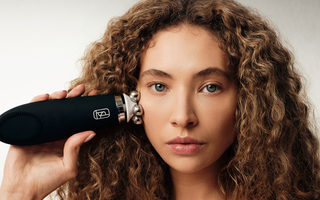
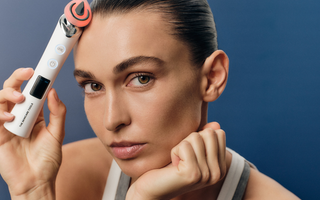
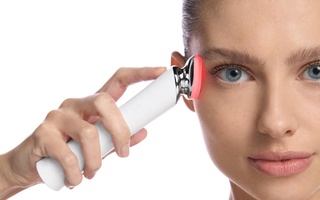
The Serum Activation Wand complements this routine by using electroporation technology to enhance the absorption of compatible skincare ingredients while combining LED light therapy, thermal technology and sonic vibration to support overall skin function.
Together, these technologies are designed to support healthier-looking, more resilient skin as part of a consistent long-term skincare routine.
The Bottom Line
Pigmentation is not one condition. It is an umbrella term that includes age spots, melasma, freckles and post-inflammatory hyperpigmentation, each with its own underlying cause.
Understanding what is driving your pigmentation is the first step towards choosing the right skincare routine and treatment approach. While some forms are influenced by genetics or hormones, protecting your skin from UV exposure, reducing unnecessary inflammation and supporting healthy skin renewal can all help maintain a brighter, more even-looking complexion over time.