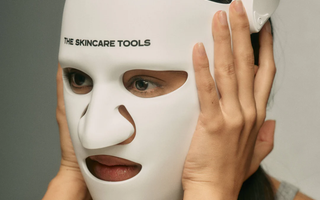
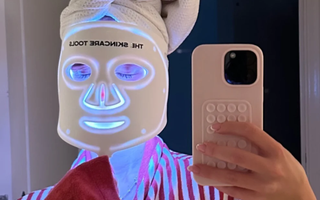
Light therapy has become one of the fastest-growing categories in skincare. Once confined to dermatology clinics and aesthetic practices, technologies such as LED masks, red light therapy, near-infrared treatments, and laser devices are now routinely incorporated into at-home skincare routines around the world.
Alongside this growth has come increasing confusion. Terms such as LED therapy, laser therapy, red light therapy, photobiomodulation, and near-infrared light are often used interchangeably despite describing technologies that function very differently. Many consumers assume laser and LED devices are essentially the same treatment delivered through different devices. Both use light. Both often utilise similar wavelengths. Both are associated with skin rejuvenation, collagen support, and healthier-looking skin. The reality is more complex.
While LED and laser devices may sometimes utilise similar wavelengths, the way that light is generated, delivered, and interacts with biological tissue differs significantly. The distinction goes far beyond marketing terminology and comes down to the fundamental physics of light itself. Understanding these differences helps explain why researchers continue to investigate both technologies and why laser-based photobiomodulation has become an increasingly important area of scientific interest.
The discussion surrounding laser vs LED is not about determining which technology is universally superior. Both have a place within modern skincare. Rather, understanding how each system works provides valuable insight into how light therapy devices are designed and why different technologies may produce different outcomes when used consistently over time.
Why Light Therapy Works In The First Place
To understand the difference between laser and LED technology, it helps to first understand why light therapy works at all.
Human skin is far more than a protective covering. It is a highly active biological organ made up of billions of cells constantly producing energy, repairing damage, synthesising structural proteins, responding to environmental stress, and maintaining countless functions required for healthy skin. Every one of these processes requires energy.
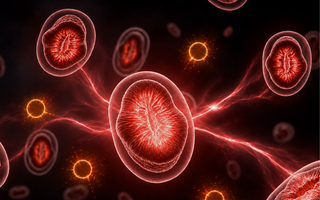
At the centre of this activity are structures known as mitochondria. Often referred to as the powerhouses of the cell, mitochondria are responsible for producing adenosine triphosphate, commonly known as ATP. ATP serves as the primary source of cellular energy and powers many of the biological processes associated with skin renewal, repair, and regeneration.
Scientists have discovered that certain wavelengths of light can be absorbed by photoacceptors within the mitochondria. When this occurs, a series of cellular responses may be initiated that influence energy production and cellular signalling pathways. This process is known as photobiomodulation.
Photobiomodulation forms the scientific foundation of both LED therapy and laser therapy. Although the technologies differ significantly in the way they deliver light, both ultimately seek to utilise specific wavelengths to support the skin's natural biological processes. Researchers continue to investigate the role that light may play in supporting cellular energy production, collagen activity, tissue repair, and overall skin performance.
This concept represents a fundamental shift in how many experts now think about skincare. Rather than working exclusively on the surface of the skin, light therapy seeks to interact with biological systems at a cellular level.

Why Wavelength Matters
Not all light behaves the same way .Light exists across a spectrum of wavelengths, each carrying different properties and interacting with biological tissue in different ways. Some wavelengths are absorbed primarily within the superficial layers of the skin, while others are capable of travelling further beneath the surface before their energy is absorbed.
This distinction matters because different biological structures exist at different depths. Collagen-producing fibroblasts, connective tissue networks, blood vessels, and deeper support structures are not located on the skin's surface. In order for light energy to influence these structures, it must first reach them.
For this reason, wavelength selection has become one of the most important considerations in modern light therapy device design.
Red light wavelengths, typically within the 630nm to 660nm range, have become widely recognised for their association with visible skin rejuvenation and collagen activity. Near-infrared wavelengths between approximately 800nm and 900nm are frequently incorporated because they are capable of travelling further beneath the skin's surface while remaining invisible to the human eye.
More recently, researchers and device manufacturers have begun exploring longer wavelengths, including 1064nm Long-Wave Near-Infrared technology. Interest in these wavelengths stems from their potential ability to interact with deeper tissue structures and support broader biological responses associated with skin regeneration and long-term skin performance.
While wavelength is undoubtedly important, it represents only part of the equation. Two devices may utilise identical wavelengths yet deliver those wavelengths in fundamentally different ways.
This is where the discussion becomes significantly more interesting.
What Is An LED Face Mask?
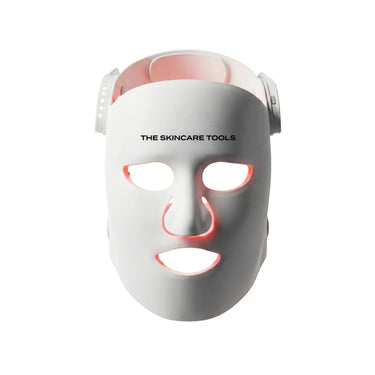
LED stands for Light Emitting Diode. LED face masks utilise hundreds of small light-emitting diodes to deliver visible and near-infrared wavelengths across the surface of the skin.
The popularity of LED masks has grown rapidly because they provide a non-invasive and accessible way to incorporate light therapy into a regular skincare routine. Modern devices often combine multiple wavelengths within a single treatment, allowing users to address a variety of visible concerns during one session.
When activated, each LED emits light that spreads outward as it travels. This allows LED devices to provide broad and even treatment coverage across the face. It is one of the reasons LED masks have become such a practical format for at-home use.
LED technology has played an important role in introducing consumers to photobiomodulation. For many people, LED masks represent their first experience with light-based skincare. They have helped transform what was once a clinical treatment category into a routine that can be performed at home in a matter of minutes.
However, while LED devices are often discussed primarily in terms of wavelength, wavelength alone does not determine how effectively light energy reaches biological tissue. Equally important is the structure of the light itself.

What Is A Laser Face Mask?
Laser technology operates according to an entirely different set of optical principles.
The word laser is an acronym for Light Amplification by Stimulated Emission of Radiation. While the name sounds highly technical, the key concept is surprisingly straightforward. Laser systems produce light that is significantly more organised and concentrated than conventional LED light.
Unlike LED devices, which emit light that naturally disperses as it travels, laser systems generate beams that remain highly focused. The individual light waves travel in a coordinated manner, creating a more concentrated form of energy delivery.
Importantly, laser devices can utilise wavelengths similar to those found in advanced LED systems. The difference is not necessarily the wavelength itself but rather the way the wavelength is delivered.
This distinction has attracted significant interest within the field of photobiomodulation. Researchers increasingly recognise that biological outcomes may be influenced not only by wavelength selection but also by factors such as coherence, beam divergence, energy concentration, and overall light delivery efficiency.
In simple terms, two devices may utilise the same wavelength, yet the amount of energy ultimately reaching the target tissue may differ substantially depending on how that light is delivered.

The Forgotten Variable: How Light Is Delivered
Most discussions surrounding light therapy focus almost exclusively on wavelength. While wavelength is critically important, it is only half of the story.
Imagine two people attempting to water the same plant. One uses a focused watering can while the other sprays water broadly across an entire garden. Although both are delivering water, the amount reaching the plant itself may differ considerably.
Light behaves in a similar way.
In addition to wavelength, scientists must also consider how concentrated the light remains as it travels through tissue. This concept becomes particularly important when discussing laser vs LED because the two technologies differ significantly in how their energy is distributed.
LED light naturally spreads as it travels. Laser light remains more focused and directional. This difference influences concepts such as coherence, beam divergence, and energy concentration, all of which play a role in determining how efficiently light reaches its intended destination.
For this reason, many experts believe the future of light therapy may involve looking beyond wavelength alone and placing greater emphasis on the quality and precision of light delivery itself.
What Is Coherence And Why Does It Matter?
One of the most important distinctions between laser and LED technology is a concept known as coherence.
Coherence refers to the degree to which light waves travel together in a coordinated and organised manner. In a laser system, the light waves are highly aligned and move in synchrony. In LED systems, the light waves are emitted independently and travel in multiple directions.
While this may seem like a purely technical detail, coherence influences how light behaves as it travels through tissue.
When light remains organised, it can maintain a more concentrated beam structure over greater distances. When light is emitted in a less organised manner, it naturally spreads and disperses more quickly. This difference in behaviour is one of the reasons laser technology has attracted increasing attention within photobiomodulation research.
Importantly, coherence alone does not determine whether a treatment is effective. LED technology has demonstrated meaningful applications across numerous areas of skincare and wellness. However, coherence represents one of several optical characteristics that differentiate laser systems from traditional LED devices.
The conversation surrounding laser vs LED is increasingly shifting beyond simple wavelength selection and towards a broader understanding of how light behaves once it leaves the device.
What Is Beam Divergence?
Another important concept is beam divergence. Beam divergence describes how much a beam of light spreads as it travels away from its source. Every light source diverges to some degree, but the amount of divergence can vary significantly depending on the technology being used.
LED devices naturally produce light that spreads relatively quickly. This broad distribution can be beneficial for treating large surface areas because it allows coverage across a wider region of skin. Laser systems, by comparison, are designed to minimise beam divergence. The light remains concentrated and directional, allowing a greater proportion of energy to remain focused as it travels.
Many modern laser devices utilise advanced optical engineering to create exceptionally narrow beam divergence. This allows the device to deliver light energy with greater precision and reduced dispersion at the skin's surface. In practical terms, narrower beam divergence means more of the emitted energy may remain concentrated as it moves through tissue. This characteristic is one of the primary reasons researchers continue to investigate laser technology as an increasingly sophisticated form of photobiomodulation.

Why Penetration Matters
When people discuss laser vs LED, penetration depth is often one of the first topics that arises. Penetration refers to the ability of light energy to reach structures beneath the skin's surface. This matters because many of the biological processes associated with visible skin rejuvenation occur below the outermost layers of the skin.
Collagen-producing fibroblasts, connective tissue networks, blood vessels, and structural support systems are located within deeper layers. In order for light energy to influence these structures, it must first reach them. This is where the conversation becomes more complex than simply asking which technology is stronger.
Penetration is influenced by multiple factors including wavelength, energy density, coherence, beam divergence, absorption, and tissue composition. It is not determined by a single variable. A common misconception is that higher power automatically means deeper penetration. In reality, effective photobiomodulation depends on delivering the right amount of energy to the right location. Too little energy may produce minimal biological response. Too much energy may not necessarily produce better outcomes.
For this reason, modern light therapy devices focus heavily on optimising light delivery rather than simply increasing output.
Researchers continue to investigate how factors such as wavelength precision and beam architecture may influence the ability of light to reach targeted tissue structures. This ongoing research has contributed significantly to growing interest in laser-based systems.
Despite these differences, it is important to remember that both technologies ultimately seek to achieve similar biological outcomes. Both LED and laser systems are designed to deliver specific wavelengths of light that can interact with cellular processes associated with healthy skin function.
The distinction lies in the way that light energy is delivered rather than the biological pathway itself.
Understanding Photobiomodulation
The term photobiomodulation has become increasingly common within scientific literature, yet many consumers remain unfamiliar with what it actually means.
Photobiomodulation refers to the use of specific wavelengths of light to influence biological activity within cells. Researchers believe that certain wavelengths are absorbed by molecules known as chromophores. One of the most widely studied chromophores is cytochrome c oxidase, an enzyme found within the mitochondria.
When these molecules absorb light energy, a series of biological responses may be initiated. Scientists believe these responses may influence ATP production, cellular signalling pathways, oxidative stress management, tissue repair mechanisms, and collagen-related processes.
Although research continues to evolve, photobiomodulation is increasingly recognised as one of the most promising areas of non-invasive skin technology.
Importantly, photobiomodulation is not exclusive to either LED or laser therapy. Both technologies utilise the same underlying biological mechanism. The difference lies in how efficiently the light energy is delivered to the tissue.
This distinction forms the foundation of much of the current discussion surrounding laser vs LED technology.
Why Scientists Are Increasingly Interested In Laser Technology
Over the past decade, scientific interest in laser-based photobiomodulation has grown considerably.
One reason for this is the unique optical characteristics of laser light. Because laser systems can deliver highly concentrated and precisely controlled wavelengths with minimal divergence, researchers believe they may offer advantages in terms of energy delivery efficiency.
Advancements in wavelength technology have also contributed to this growing interest.
While traditional red light therapy commonly focuses on wavelengths around 630nm to 660nm, newer systems are increasingly incorporating near-infrared wavelengths capable of travelling further beneath the skin's surface. These wavelengths are attracting attention because of their ability to interact with deeper biological structures while remaining non-invasive.
Particular interest has emerged around longer near-infrared wavelengths such as 1064nm. Researchers continue investigating how these wavelengths interact with tissue and how they may contribute to broader biological responses associated with skin performance, regeneration, and structural support.
As the science continues to evolve, many experts believe the future of light therapy will involve increasingly sophisticated approaches to wavelength selection, beam delivery, and overall treatment precision.
LED vs Laser: Which Technology Is Right For You?
The answer depends largely on individual goals. LED masks remain an excellent introduction to light therapy. They are accessible, easy to use, comfortable, and supported by a substantial body of photobiomodulation research. For many consumers, LED technology provides an effective way to incorporate light-based skincare into a consistent routine.
Laser technology represents a newer evolution of the category. Through concentrated beam delivery, reduced divergence, and precise wavelength control, laser systems are designed to optimise the way light energy reaches tissue. Importantly, this should not be viewed as a competition between technologies. Both LED and laser devices utilise clinically recognised wavelengths. Both support photobiomodulation. Both are capable of becoming valuable additions to a long-term skincare routine.
The decision ultimately comes down to personal preference, treatment goals, and the level of technological sophistication a user is seeking.
The Evolution Of At-Home Light Therapy
For years, consumers seeking advanced light-based treatments were limited to clinical environments. Professional laser treatments often required appointments, significant downtime, and substantial financial investment. The emergence of LED masks transformed the category by making light therapy accessible for everyday use. Today, a new generation of devices is pushing that evolution even further by bringing increasingly sophisticated laser technology into the home.
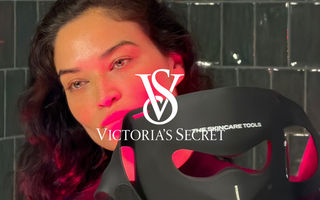
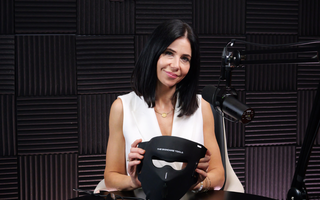
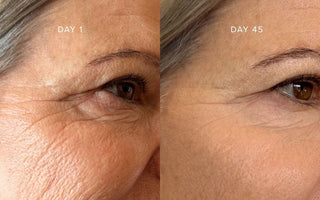
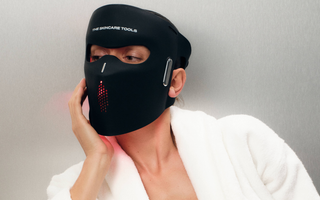
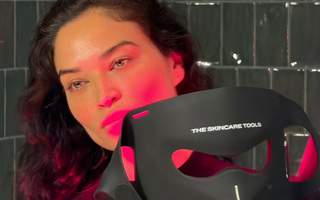
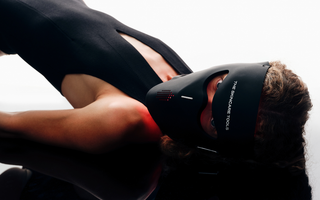
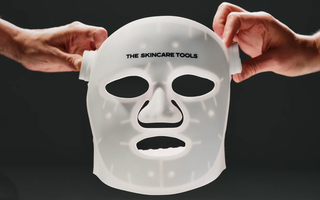
The latest laser systems combine multiple clinically recognised wavelengths with advanced optical engineering designed to improve light delivery efficiency while maintaining the convenience of at-home treatments. One example is the 4D Pro Laser Light Therapy Face Mask from The Skincare Tools. Designed around the principles discussed throughout this article, the device combines 660nm Red Laser Light, 850nm Near-Infrared Laser Light, and industry-first 1064nm Long-Wave Near-Infrared technology within a flexible full-face treatment system. The mask utilises 270 advanced Focus Laser Light Therapy light points and ultra-narrow 18-20° beam divergence to deliver concentrated laser energy evenly across the skin. Through consistent use, the technology is designed to support collagen activity, cellular energy production, skin renewal, and overall skin performance while helping improve the appearance of firmness, texture, radiance, and visible signs of ageing.
The Future Of Light Therapy
Light therapy is no longer simply a beauty trend. It has become one of the most rapidly advancing areas within modern skincare technology. As research continues to expand, the conversation is increasingly moving beyond basic questions about red light and wavelengths. Scientists, clinicians, and manufacturers are becoming more interested in how light is delivered, how efficiently energy reaches tissue, and how advances in optical engineering can influence biological response.
The future of light therapy may not be LED versus laser. Instead, it may be a deeper understanding of how different forms of light can be used to support healthier, stronger, and more resilient-looking skin. Both technologies represent the same fundamental principle: harnessing light to support the skin's natural biological processes. The difference lies not only in the wavelength being used, but in the way that light reaches its destination.