


Pigmentation is one of the most common skin concerns, yet it's also one of the most misunderstood.
Many people assume dark spots only appear after spending too much time in the sun. While UV exposure plays a major role, it's far from the only cause. Hormones, inflammation, pollution and even the natural ageing process can all influence how much pigment your skin produces.
Understanding what causes pigmentation is the first step towards preventing it from becoming more noticeable over time.
Here are the five biggest factors that contribute to pigmentation and what you can do to help minimise them.
1. UV Exposure
The sun is the single biggest cause of pigmentation.
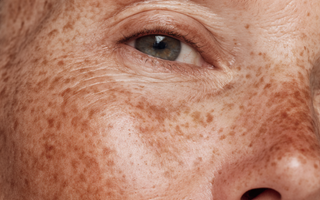
When your skin is exposed to ultraviolet (UV) radiation, specialised cells called melanocytes produce melanin to help protect your skin from damage. Over years of repeated exposure, this process can become uneven, causing excess melanin to collect in certain areas and form sun spots, freckles and age spots.
Pigmentation often reflects years of cumulative sun exposure rather than a single day at the beach. Even short periods outdoors while driving, walking or sitting near a window contribute over time.
How To Help Prevent It
Wear a broad-spectrum SPF 50+ every day, regardless of the weather. Protective clothing, sunglasses and wide-brim hats also help reduce cumulative UV exposure. Consistency matters far more than occasional use.

2. Hormonal Changes
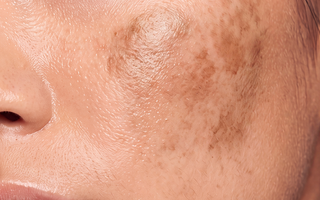
Hormones have a significant influence on pigment production. Changes during pregnancy, menopause or while taking hormonal medications can stimulate melanocytes, leading to uneven pigmentation. This is why conditions such as melasma often appear during periods of hormonal fluctuation.
Hormonal pigmentation usually develops symmetrically across the cheeks, forehead or upper lip and can become darker following sun exposure.
How To Help Prevent It
While hormonal changes cannot always be prevented, daily sun protection is essential as UV exposure often worsens hormonally triggered pigmentation. Gentle skincare that supports the skin barrier may also help reduce unnecessary irritation.
3. Inflammation
Any form of inflammation can stimulate pigment production.
Acne, eczema, aggressive exfoliation, cosmetic procedures or even repeatedly picking at the skin can cause excess melanin production as part of the skin's healing response. This is known as post-inflammatory hyperpigmentation.
The darker your natural skin tone, the more likely inflammation is to leave behind visible pigmentation.
How To Help Prevent It
Avoid picking blemishes, over-exfoliating or using multiple active ingredients that irritate the skin. Supporting a healthy skin barrier and allowing the skin to heal properly can reduce the likelihood of lingering pigmentation.

4. Pollution And Environmental Stress
Pollution doesn't simply affect your lungs. It also affects your skin and can be a cause of pigmentation.
Air pollution generates free radicals that contribute to oxidative stress within the skin. This oxidative stress can disrupt normal skin function, increase inflammation and influence melanin production, making pigmentation more noticeable over time.
Combined with UV exposure, pollution may accelerate visible signs of uneven skin tone and premature ageing.
How To Help Prevent It
Cleanse thoroughly each evening to remove pollutants from the skin's surface. A skincare routine rich in antioxidants, alongside daily sun protection, can help support the skin against environmental stressors.
5. Ageing Skin
As we age, our skin naturally changes.
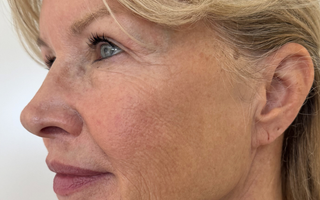
Cell turnover slows, meaning pigmented cells remain on the skin's surface for longer. At the same time, years of accumulated UV exposure become more visible, collagen production declines and melanocytes become less evenly distributed.
The result is skin that often appears less even in tone, with existing pigmentation becoming darker and more noticeable.
How To Help Prevent It
Supporting healthy skin renewal through consistent skincare, daily sun protection and treatments that encourage overall skin function may help maintain a brighter, more even-looking complexion over time.
The Best Approach To Pigmentation
There is rarely a single cause of pigmentation. For most people, it develops through a combination of sun exposure, hormonal changes, inflammation, environmental stress and the natural ageing process. This is why treating pigmentation requires more than simply applying a brightening serum after dark spots appear.
A long-term approach that focuses on protecting the skin, supporting healthy cellular function and maintaining consistent daily habits often delivers the best results.
Supporting Skin Health At Home
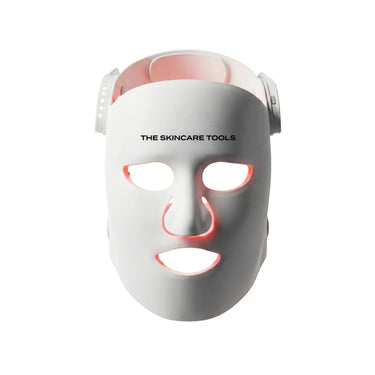
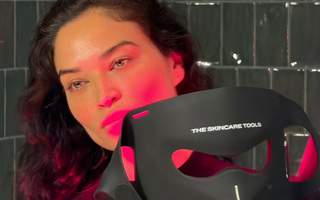
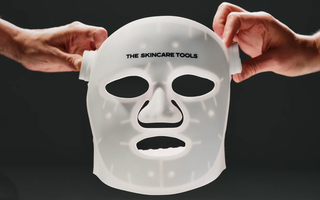
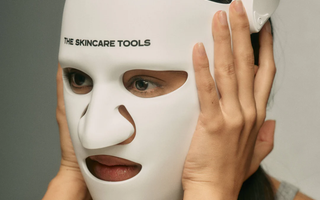
While professional treatments such as laser resurfacing, IPL and chemical peels may help improve existing pigmentation, many people are also incorporating at-home technologies such as laser face masks to help reduce pigmentation.
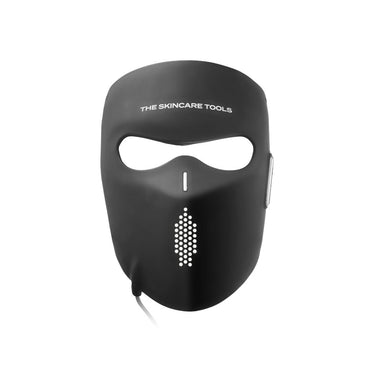
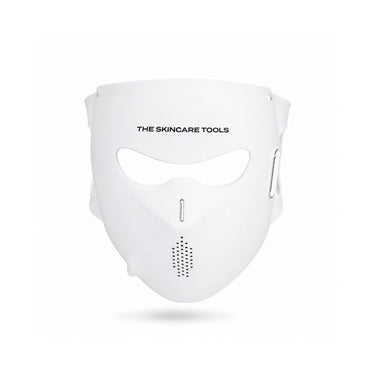
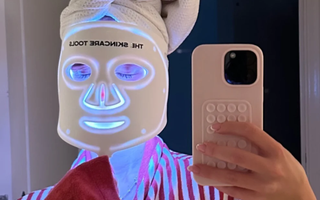
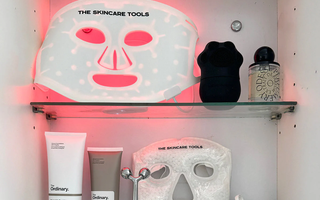
The 4D Pro Laser Light Therapy Face Mask delivers three clinically studied laser wavelengths (660nm Deep Red, 850nm Near-Infrared and 1064nm Long-Wave Near-Infrared) to support cellular energy production (ATP), collagen activity and the skin's natural renewal processes. While it is not a treatment for pigmentation, it can complement a comprehensive skincare routine designed to support healthier-looking, more resilient skin over time.
Frequently Asked Questions
What is hyperpigmentation?
Hyperpigmentation is a common skin condition where certain areas of the skin become darker than the surrounding skin due to excess melanin production. It can appear as sun spots, post-acne marks, melasma or patches of uneven skin tone. While hyperpigmentation is usually harmless, many people seek treatment to achieve a brighter, more even-looking complexion.
What causes hyperpigmentation?
There are several causes of hyperpigmentation, including UV exposure, hormonal changes, inflammation, acne, skin injuries and the natural ageing process. Environmental factors such as pollution and oxidative stress can also contribute to uneven pigment production over time.
What is hyperpigmentation on the face?
Hyperpigmentation on the face refers to dark patches or spots that develop when excess melanin accumulates in certain areas of facial skin. It commonly appears on the cheeks, forehead, upper lip and temples and may result from sun exposure, melasma, acne or post-inflammatory pigmentation.
How do you get rid of hyperpigmentation?
Learning how to get rid of hyperpigmentation often requires patience and consistency. Daily SPF is essential to prevent existing pigmentation from becoming darker. Ingredients such as vitamin C, retinoids, niacinamide and azelaic acid may help brighten the skin over time, while professional treatments such as laser resurfacing, IPL and chemical peels may be recommended for more stubborn pigmentation.
How do you treat hyperpigmentation?
The best way to treat hyperpigmentation depends on the underlying cause. Sun-related pigmentation, melasma and post-inflammatory hyperpigmentation each respond differently to treatment. Most dermatologists recommend a combination of daily sun protection, targeted skincare and, when appropriate, professional treatments to gradually improve skin tone.
Does red light therapy help with hyperpigmentation?
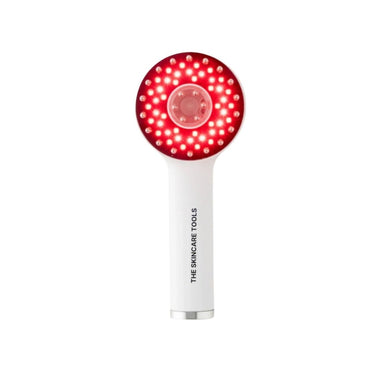
Research suggests that red light therapy for hyperpigmentation may help support the skin's natural repair processes by reducing inflammation, supporting cellular energy production (ATP) and promoting healthier skin function. While red light therapy is not a direct pigment-removing treatment, it may complement a comprehensive skincare routine designed to support overall skin health and recovery.
Can LED light therapy help pigmentation?
LED for pigmentation is becoming increasingly popular as part of an overall skin health routine. Red and near-infrared wavelengths are primarily used to support skin repair and reduce inflammation rather than directly targeting melanin. While LED Light Therapy may help improve overall skin quality, stubborn pigmentation often requires a combination of sun protection, topical skincare and professional treatments where appropriate.
Does retinol help with hyperpigmentation?
Yes. Retinol may help improve hyperpigmentation by increasing skin cell turnover, allowing pigmented skin cells to be replaced more efficiently over time. Because retinol can also increase sun sensitivity, it should always be paired with daily broad-spectrum SPF.
How do you use vitamin C for hyperpigmentation?
If you're wondering how to use vitamin C for hyperpigmentation, apply a vitamin C serum in the morning after cleansing and before moisturiser and sunscreen. Vitamin C is an antioxidant that helps protect against environmental damage while supporting a brighter, more even-looking complexion with consistent use.
How do you treat hyperpigmentation from acne?
Hyperpigmentation from acne, also known as post-inflammatory hyperpigmentation, develops after inflammation stimulates excess melanin production. The best approach is to prevent new breakouts, avoid picking the skin and use ingredients such as retinoids, vitamin C, niacinamide or azelaic acid alongside daily SPF. Professional treatments may also be considered for persistent acne pigmentation.
How do you get rid of hyperpigmentation around the mouth?
Hyperpigmentation around the mouth may develop due to hormonal changes, irritation, inflammation or repeated sun exposure. Treatment depends on the underlying cause but often includes consistent sun protection, pigment-correcting skincare and avoiding products that may further irritate the area. If the pigmentation develops suddenly or continues to worsen, it's important to seek advice from a healthcare professional.

































)