Most conversations about skin ageing focus on what you can see: wrinkles, pigmentation, or loss of firmness. Few focus on what makes healthy skin possible in the first place.
Every function that keeps skin looking firm, smooth and resilient requires energy. Producing collagen. Repairing UV damage. Renewing skin cells. Maintaining the skin barrier. Even healing after a breakout. None of these happen passively.
That energy comes from a molecule called ATP.
While ATP is rarely mentioned in skincare, it sits at the centre of how skin functions. Without it, skin cells simply cannot perform the work required to maintain healthy tissue. As researchers continue exploring the biology of ageing, ATP has become an increasingly important part of the longevity conversation.
What Is ATP?
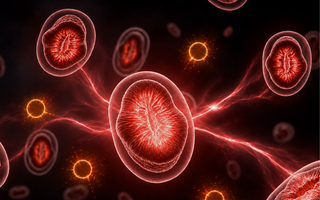
ATP, or adenosine triphosphate, is the primary source of energy used by every cell in the human body. It's produced inside the mitochondria, often referred to as the cell's "powerhouses." Their job is simple: convert nutrients and oxygen into usable cellular energy.
That energy is then used immediately. Every time a skin cell produces collagen, repairs DNA, creates new proteins, divides into a new cell or strengthens the skin barrier, it spends ATP.
In other words, ATP isn't something your skin stores. It's something your skin is constantly making and constantly using.

Why Your Skin Depends On ATP
Your skin is one of the body's busiest organs. Every second, millions of cells are working to replace old tissue, defend against environmental stress and maintain the skin's structure.
All of this comes at an energy cost. Collagen production relies on ATP. So does cellular renewal. Repairing oxidative stress, maintaining hydration, regulating inflammation and supporting the skin barrier all require healthy energy production at a cellular level.
Without sufficient ATP, these processes don't necessarily stop. They simply become less efficient.
The Link Between ATP And Collagen
Collagen doesn't appear on its own. It's produced by specialised cells called fibroblasts, and fibroblasts are highly energy dependent.
To build new collagen fibres, these cells require a continuous supply of ATP. When cellular energy is abundant, fibroblasts are better equipped to carry out normal collagen synthesis. As ATP production declines with age, fibroblast activity also becomes less efficient.
The result isn't an overnight loss of collagen, but a gradual slowing of the processes that help skin remain firm and resilient over time.
Why ATP Declines With Age
One of the biological hallmarks of ageing is declining mitochondrial function.
Over time, mitochondria become less efficient at producing ATP. This isn't unique to the skin. It's observed throughout the body. Because the skin is constantly repairing and renewing itself, it is particularly reliant on a steady supply of cellular energy.
Lower ATP production has been associated with slower tissue repair, reduced collagen synthesis, slower cell turnover and diminished resilience to environmental stress. These changes accumulate gradually, eventually becoming visible as fine lines, dullness and reduced firmness.

Youthful Skin Is Energy-Rich Skin
When we describe skin as youthful, we're usually talking about what we see: firmness, bounce, radiance, smooth texture and an even skin tone.
Those visible qualities are the result of millions of skin cells doing their jobs efficiently. Healthy collagen production, rapid cell turnover and effective repair all depend on one thing: enough energy to power them.
In many ways, youthful-looking skin is simply skin whose cells are still working efficiently.
Supporting Cellular Energy
Researchers are increasingly interested in ways to support mitochondrial function as we age.
Lifestyle remains the foundation. Regular exercise, quality sleep, balanced nutrition and protecting the skin from excessive UV exposure all influence how efficiently cells produce energy.
Photobiomodulation has also become an area of growing scientific interest. Specific wavelengths of red and near-infrared light have been shown to interact with mitochondria, supporting cellular energy production through naturally occurring biological pathways. As ATP availability increases, cells have more energy available to carry out the processes involved in repair, renewal and collagen production.
This is why light therapy has become increasingly associated with skin longevity. Not because it replaces healthy skin biology, but because it supports it.

The Future Of Skincare Starts With Energy
For years, skincare has focused on treating the visible signs of ageing after they appear.
The next generation of skincare is looking deeper.
Rather than asking how to reduce wrinkles, researchers are increasingly asking how to support the cells responsible for preventing them in the first place.
ATP sits at the centre of that conversation.
Healthy-looking skin isn't simply about adding more products to your routine. It's about supporting the biology that allows your skin to repair, renew and perform every day.
Support Your Skin At The Cellular Level
Healthy-looking skin begins long before changes become visible.
Every day, your skin relies on billions of cells producing ATP to manufacture collagen, repair environmental damage, maintain hydration, strengthen the skin barrier and continuously renew itself. As mitochondrial function naturally declines with age, these processes become less efficient, contributing to many of the visible changes we associate with ageing.
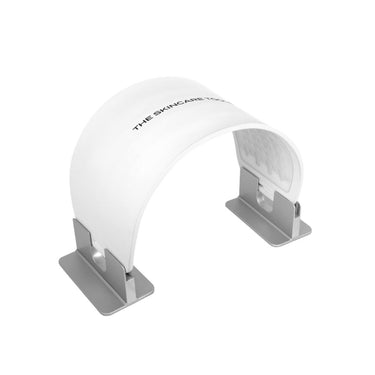
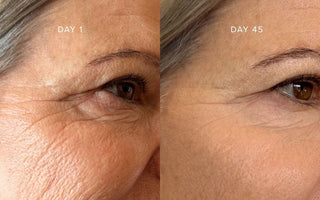
The 4D Pro Laser Light Therapy Face Mask was developed to support these cellular processes using three highly concentrated laser wavelengths: 660nm Deep Red, 850nm Near-Infrared and industry-first 1064nm Long-Wave Near-Infrared Laser Light. By supporting mitochondrial activity and cellular energy production, it helps create the conditions for healthier collagen activity, skin renewal, firmness and long-term skin vitality.
The future of healthy-looking skin begins with cellular energy.