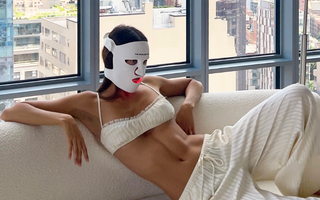
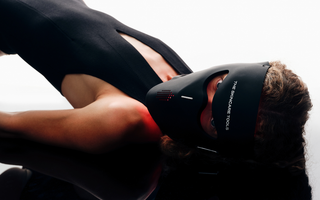
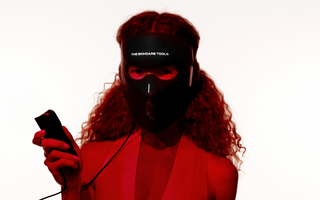
We spend years looking after our skin. SPF. Serums. LED masks. Treatments. Yet one area is often completely overlooked. The scalp. According to the L'Oréal Professionnel Academy, the scalp can age up to six times faster than the skin on the face. Despite this, most people do not think about their scalp until they notice thinning, shedding, breakage, or a loss of density. The reality is that healthy hair starts long before the hair strand itself. It starts with the scalp. Just as the skin on the face changes over time, so does the scalp. Circulation slows. The scalp barrier becomes compromised. Inflammation can increase. Product build-up accumulates. Follicles receive less oxygen and fewer nutrients. Over time, these changes can influence how hair looks, feels, and grows. Hair may appear thinner. Shedding may become more noticeable. Growth may slow. Density may decline. Not because your hair suddenly changed. Because the environment it grows from changed.

The Scalp Is Living Skin
Most people think of the scalp simply as the place where hair grows.
In reality, the scalp is a highly active biological environment made up of skin cells, sebaceous glands, blood vessels, nerves, connective tissue, and approximately 100,000 hair follicles.
Like the skin on the face, the scalp is constantly renewing itself. New skin cells are produced, oils are secreted, and a complex microbiome of bacteria and microorganisms works to maintain balance.
The difference is that the scalp must support both healthy skin function and healthy hair growth simultaneously.
This makes it one of the most biologically active areas of the body.
When the scalp is functioning optimally, follicles are better supported, circulation is more efficient, and the environment remains balanced for healthy-looking hair growth.
When this environment becomes compromised, the effects are often first seen in the quality of the hair itself.
Why Scalp Health Matters
Healthy hair can only grow from a healthy scalp.
Every hair follicle relies on the scalp to provide oxygen, nutrients, circulation, and support. Hair follicles are among the most metabolically active structures in the body, requiring a constant supply of energy to maintain healthy growth cycles.
When the scalp is healthy, follicles are better supported and hair is more likely to appear stronger, fuller, and healthier.
When the scalp becomes stressed, inflamed, congested, or poorly stimulated, follicle performance can be affected.
This is why dermatologists, trichologists, and hair restoration specialists are increasingly focusing on scalp health rather than simply treating the hair strand itself.
Because stronger-looking hair starts at the root.

Understanding The Hair Growth Cycle
Hair is constantly cycling through different stages of growth.
Every follicle moves independently through three key phases.
Anagen Phase
This is the active growth phase where hair is continuously produced by the follicle.
Depending on genetics and individual biology, this phase can last anywhere from two to seven years.
The longer a follicle remains in the anagen phase, the longer and denser hair can grow.
Catagen Phase
This is a short transitional stage where active growth slows and the follicle begins preparing for rest.
Telogen Phase
This is the resting phase before the hair sheds and the follicle begins producing a new strand.
At any given time, approximately 85-90% of scalp hairs should be in the growth phase.
Stress, inflammation, hormonal changes, illness, poor nutrition, and poor scalp health can disrupt this balance, pushing more follicles into the resting phase and contributing to increased shedding.

The Scalp Barrier Explained
Most people understand the importance of protecting the skin barrier on the face.
The scalp has one too.
The scalp barrier helps maintain hydration, defend against environmental stressors, regulate oil production, and support a healthy microbiome.
When the barrier becomes compromised, the scalp may become:
• Dry or flaky
• Oily or congested
• Sensitive or irritated
• Red or inflamed
• More vulnerable to environmental damage
Just like facial skin, the scalp is exposed to UV radiation, pollution, heat styling, stress, and product accumulation every day.
Over time, these factors can affect scalp health and ultimately influence the quality of hair growth.
Why Scalp Ageing Matters
When most people think about ageing, they think about wrinkles.
However, ageing affects every tissue in the body, including the scalp.
According to the L'Oréal Professionnel Academy, the scalp can age up to six times faster than facial skin.
As the scalp ages, several biological changes can occur:
• Reduced circulation
• Slower cellular turnover
• Increased oxidative stress
• Reduced barrier function
• Increased inflammation
• Changes in sebum production
• Reduced follicle efficiency
Over time, these changes can influence both scalp comfort and hair quality.
Hair may appear thinner, weaker, less dense, or slower growing.
Not because the hair itself is ageing first.
Because the scalp environment supporting it is changing.

The Connection Between Circulation And Hair Growth
One of the most overlooked aspects of scalp health is circulation.
Every follicle depends on blood flow to deliver oxygen and nutrients needed to support healthy growth.
Hair follicles have exceptionally high energy demands. Like every organ and tissue in the body, they rely on a steady supply of nutrients delivered through the bloodstream.
As circulation becomes less efficient, follicles may receive less support.
This can contribute to:
• Reduced hair density
• Increased shedding
• Slower growth cycles
• Weaker strands
• Hair that appears thinner over time
This is one reason scalp stimulation has become such an important focus within modern hair care.
Supporting circulation helps create an environment where follicles can function more efficiently and maintain healthier growth cycles.
The Relationship Between Stress, Cortisol And Shedding
Stress affects far more than your mental wellbeing. It can directly affect your hair. When stress levels rise, the body increases production of cortisol, commonly known as the stress hormone. Over time, elevated cortisol can influence inflammation, circulation, and the normal hair growth cycle. This is one reason why many people notice increased shedding after periods of:
• Emotional stress
• Illness
• Surgery
• Poor sleep
• Major life changes
• Hormonal fluctuations
In many cases, the shedding occurs several months after the triggering event. This type of shedding, often referred to as telogen effluvium, occurs when a larger number of follicles prematurely enter the resting phase of the hair cycle. The scalp often reflects what is happening internally long before visible hair changes become obvious.
Why Hair Thins At Different Ages
Hair thinning rarely has a single cause. In your 20s, stress, diet, hormonal fluctuations, scalp health, and styling habits often play a significant role. In your 30s, chronic stress, pregnancy, postpartum changes, and increasing lifestyle demands can begin affecting hair density more noticeably. In your 40s and beyond, age-related hormonal changes, reduced circulation, follicle ageing, and slower cellular activity become increasingly important contributors. Regardless of age, maintaining a healthy scalp remains one of the most important factors influencing the quality of hair growth.
Why Product Build-Up Matters
Modern hair routines often involve dry shampoo, styling products, oils, heat protectants, and leave-in treatments. While these products can be beneficial, they can also accumulate on the scalp over time. Excess build-up can contribute to:
• Congested follicles
• Scalp discomfort
• Imbalanced oil production
• Reduced scalp health
• Less effective absorption of scalp treatments
This is why regular scalp cleansing and scalp stimulation are becoming increasingly important parts of modern hair care routines.
Why LED Technology Is Changing The Future Of Hair Care
One of the most exciting developments in scalp health is Low-Level Light Therapy (LLLT). Widely used by dermatologists, trichologists, and hair restoration clinics, LLLT uses specific wavelengths of light to support follicle function and scalp health. Red light wavelengths, particularly within the 630nm-660nm range, have been studied for their ability to support cellular energy production and follicle activity. Near-infrared wavelengths penetrate deeper beneath the surface to support overall scalp health and circulation. Scientists believe these wavelengths interact with structures inside cells called mitochondria.
Often referred to as the powerhouses of the cell, mitochondria are responsible for producing ATP, the primary source of cellular energy. By supporting mitochondrial activity, light therapy may help create a healthier environment for follicle performance and healthier-looking hair growth over time. Today, LED and laser technologies are increasingly recognised as promising non-invasive tools for supporting scalp health and hair density. The focus is no longer simply on treating the hair. It is on supporting the environment where hair grows.
The New Era Of Scalp Care
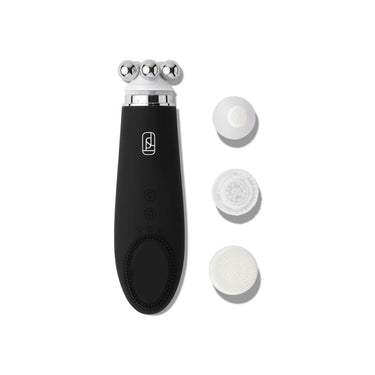
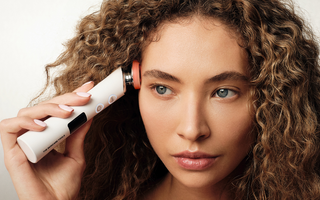
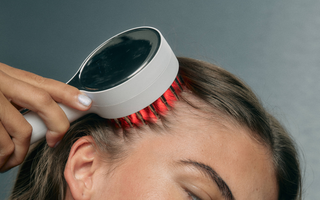
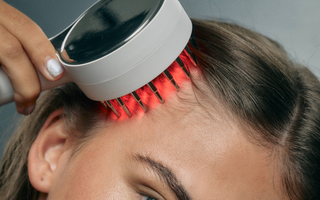
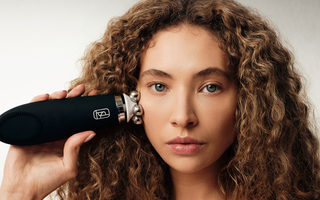
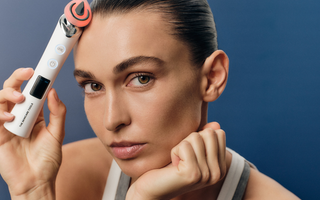
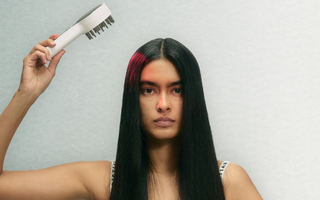
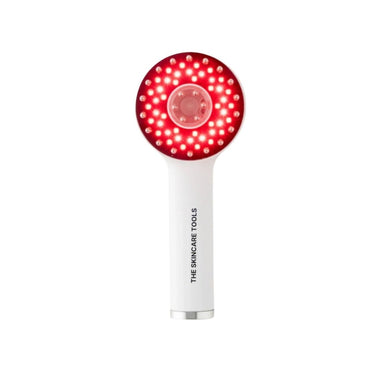
At The Skincare Tools, we believe the future of hair health starts with the scalp. Our 5-in-1 Scalp Care Brush was designed to support many of the key factors associated with long-term scalp health through one intelligent routine. Combining laser therapy, multi-wave LED light therapy, EMS microcurrent stimulation, vibration massage, and targeted serum infusion, it helps support:
• Scalp circulation
• Follicle stimulation
• Nutrient delivery
• Scalp comfort
• Serum absorption
• Overall scalp health
The integrated light system combines:
• 650nm laser therapy
• 630nm red LED light
• 460nm blue LED light
• 435nm purple LED light
Together, these technologies help support scalp vitality, circulation, follicle activity, oil balance, and long-term scalp health. Vibration massage helps relieve scalp tension while supporting oxygen and nutrient delivery to follicles. EMS microcurrent helps stimulate and energise the scalp environment, while the built-in serum infusion system helps distribute scalp treatments evenly across the scalp.
Professional Light Therapy. Simplified.
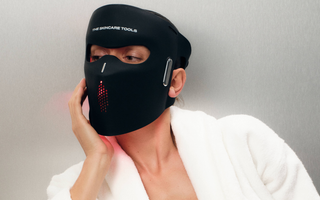
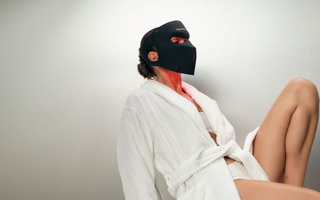
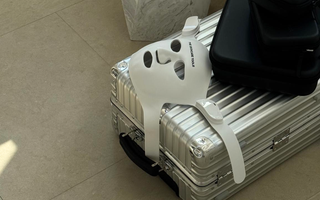
For those seeking a completely hands-free approach, the Pro LED Hair Growth Cap delivers professional-grade scalp light therapy in just 10 minutes per day.
Powered by dual-wavelength technology combining 660nm red light and 850nm near-infrared light, the cap is designed to support follicle activity, circulation, and overall scalp health. Its 216 LEDs deliver even coverage across the scalp, helping ensure consistent light exposure during every treatment. With regular use, it helps support a healthier scalp environment where thicker, fuller-looking hair can thrive.
Healthy Hair Starts At The Root
Most people wait until they notice thinning before paying attention to their scalp. But by the time hair changes become visible, the scalp environment may have been changing for years. The future of hair care is moving beyond shampoos and conditioners alone. It is moving towards scalp health. Circulation. Barrier support. Follicle stimulation. LED technology. Long-term maintenance. Because stronger, healthier-looking hair does not start with the strand. It starts with the scalp.