Does GLP-1 Cause Hair Loss?
GLP-1 hair loss has become one of the most talked-about side effects of medications such as Ozempic, Wegovy and Mounjaro. If you've recently noticed more hair in your brush or shower drain, you're not alone.
So, does GLP-1 cause hair loss?
Current evidence suggests that the medication itself is unlikely to directly damage the hair follicle. Instead, GLP-1 hair loss is more commonly linked to the rapid weight loss that often accompanies treatment.
Rapid weight loss acts as a significant physiological stressor. During this time, the body redirects energy towards essential functions, temporarily disrupting the normal hair growth cycle. As a result, more hair follicles than usual enter the resting phase at the same time before shedding several months later.
Understanding why this happens helps explain why the shedding is usually temporary and what you can do to support healthy hair growth while your body recovers.
Why Does GLP-1 Hair Loss Happen?
Hair follicles are among the most metabolically active structures in the body. To remain in the active growth phase, they require a continuous supply of energy, oxygen and nutrients.
When significant weight loss occurs over a relatively short period, the body naturally prioritises vital organs and essential physiological processes. Hair growth becomes less of a priority.
Rather than continuing to actively produce hair, more follicles leave the growth phase earlier than they should and enter the resting phase simultaneously. This temporary disruption is known as telogen effluvium, the most common cause of GLP-1 hair loss.
Unlike pattern hair loss, telogen effluvium causes diffuse shedding across the scalp rather than thinning in one specific area. Importantly, the hair does not fall out immediately.

Why Does Hair Fall Out Months Later?
One of the most confusing aspects of GLP-1 hair loss is the delay.
Once a follicle enters the resting phase, it remains dormant for approximately two to three months before releasing the hair. This means the shedding usually begins long after the initial weight loss has occurred.
For many people, this delay makes it difficult to connect the hair loss they're experiencing with the weight changes that happened months earlier.
In reality, the shedding is often a delayed response to rapid weight loss rather than a new problem developing in the present. It can also be a result of stress hair loss.
Is GLP-1 Hair Loss Permanent?
Fortunately, for most people, no.
Because telogen effluvium does not permanently damage the hair follicle, new hair usually begins growing once the body adapts and the normal hair growth cycle resumes.
Hair regrowth is gradual, however. Since hair naturally grows slowly, improvements in density often take several months to become noticeable.
Patience is an important part of the recovery process.
How To Stop Hair Loss From GLP-1
One of the most common questions people ask is how to stop hair loss from GLP-1, particularly women experiencing noticeable shedding after rapid weight loss.
While telogen effluvium cannot always be prevented, supporting your body and scalp throughout this period can help create the ideal environment for healthy hair growth.
Maintaining adequate protein intake, ensuring sufficient vitamins and minerals, managing stress and avoiding further rapid weight loss all play an important role in supporting normal hair growth.
Supporting scalp health is equally important. Healthy follicles rely on good circulation, efficient cellular energy production and a healthy scalp environment to produce strong, healthy hair over time.

Can Laser Light Therapy Help GLP-1 Hair Loss?
Supporting the scalp is where Laser Light Therapy may play an important role.
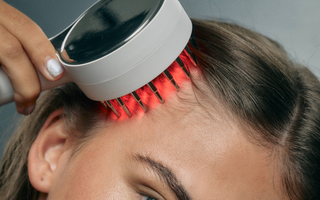
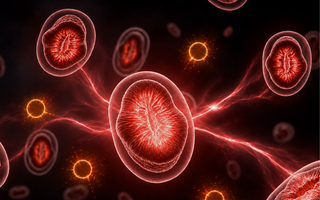
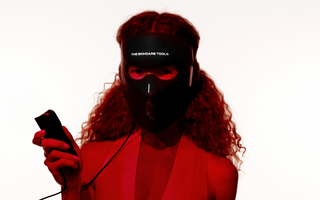
Also known as laser light therapy for hair loss, this technology uses specific wavelengths of light to stimulate photobiomodulation within the hair follicle. This process increases cellular energy production in the form of ATP, helping support normal follicle function and creating an environment that is better equipped to support healthy hair growth.
Research also suggests Laser Light Therapy may help improve scalp circulation and support the biological processes involved in the normal hair growth cycle.
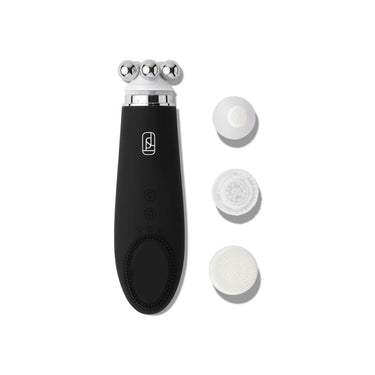
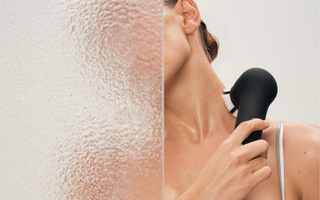
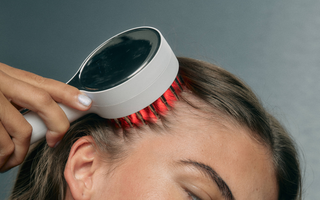
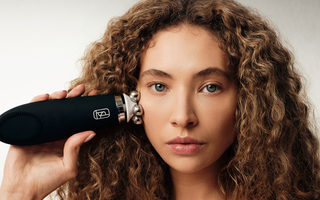
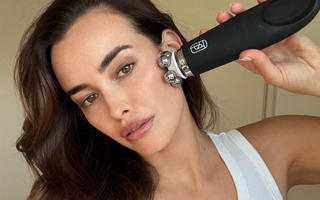
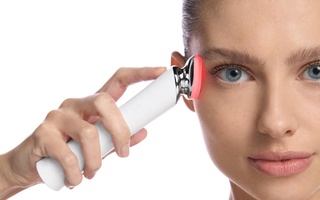
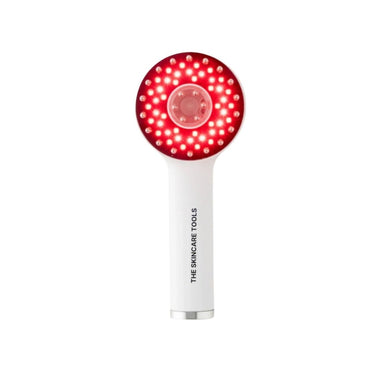
The 5-in-1 Scalp Care Brush combines Laser Light Therapy, Multi-Wave LED Light Therapy, EMS Microcurrent, vibration massage and targeted serum infusion to support overall scalp health. Together, these technologies work to support healthier follicles, encourage circulation and create an optimal environment for stronger, healthier-looking hair.
Like the hair growth cycle itself, results take time. Consistency is key.
The Bottom Line
If you're wondering does GLP-1 cause hair loss, current evidence suggests the shedding is more commonly linked to the rapid weight loss associated with treatment than the medication itself.
For most people, GLP-1 hair loss is temporary.
As the body recovers, the hair growth cycle gradually returns to normal and new hair begins to grow. Supporting your body through good nutrition, healthy lifestyle habits and a well-supported scalp can help create the ideal environment for stronger, healthier-looking hair throughout this transition.
Healthy hair begins beneath the surface. Supporting the biology of the follicle is where recovery starts.
Frequently Asked Questions
Does GLP-1 cause hair loss?
Current evidence suggests hair loss is more commonly associated with the rapid weight loss experienced during GLP-1 treatment rather than the medication directly.
Why does GLP-1 hair loss happen?
Rapid weight loss acts as a physiological stressor that can temporarily disrupt the normal hair growth cycle, causing more follicles to enter the resting phase before shedding several months later.
Is GLP-1 hair loss permanent?
In most cases, no. The most common cause is telogen effluvium, which is temporary and typically resolves as the body adapts and the normal hair growth cycle resumes.
How long does GLP-1 hair loss last?
Hair shedding usually begins around two to three months after rapid weight loss and gradually improves over the following several months.
How to stop hair loss from GLP-1?
While it cannot always be prevented, maintaining good nutrition, managing stress and supporting scalp health through evidence-based technologies such as Laser Light Therapy may help create an optimal environment for healthy hair regrowth.