Age spots often seem to appear overnight. One day your complexion looks relatively even. The next, a small brown spot on your cheek, forehead or hands suddenly feels darker, larger and more noticeable than you remember. While it may seem like these spots appear with age, the reality is they have usually been developing beneath the surface for decades.
Age spots are not simply a sign of getting older. They are the result of cumulative sun exposure, changes in how your skin functions over time, and a gradual decline in your skin's ability to repair itself. Understanding why they become more noticeable can help you take a more proactive approach to maintaining brighter, healthier-looking skin.
How Pigmentation Is Formed
Pigmentation begins with melanin, the natural pigment responsible for your skin, hair and eye colour.
Melanin is produced by specialised cells called melanocytes, which sit within the basal layer of the epidermis. Their role is to protect your skin by absorbing ultraviolet (UV) radiation before it can damage your DNA.
When your skin is exposed to UV light, melanocytes respond by producing more melanin. This pigment is transferred into surrounding skin cells, where it forms a protective shield against further UV damage.
Normally, these pigmented skin cells gradually move towards the surface before naturally shedding as part of your skin's renewal cycle. However, repeated UV exposure can overstimulate melanocytes, causing melanin to accumulate unevenly in certain areas. Over time, these concentrated pockets of pigment become visible as age spots, sun spots or solar lentigines.
The important thing to understand is that pigmentation is rarely caused by one sunny holiday. It reflects years, and often decades, of cumulative damage.

Why Do Age Spots Get Darker As You Get Older?
Years Of UV Exposure Continue To Add Up
Sun damage is cumulative. Every walk outside, every afternoon by the window and every forgotten application of sunscreen contributes a small amount of UV exposure. While your skin is remarkably good at repairing itself, it cannot completely erase every instance of damage.
As these years accumulate, melanocytes become increasingly active in certain areas, producing more pigment than surrounding skin. Existing age spots often continue to darken because they are repeatedly exposed to the same cycle of UV stimulation.
This is why people frequently notice pigmentation becoming more visible throughout their forties, fifties and sixties, even if they spend less time in the sun than they did when they were younger.
Cellular Turnover Slows With Age
One of the biggest changes that occurs as we age is a slowing of cellular renewal. In younger skin, new cells are continually produced while older cells containing excess pigment are naturally shed from the surface. This process helps maintain a brighter, more even complexion.
After around the age of 30, skin cell turnover gradually begins to slow. By your forties and beyond, pigmented cells remain on the surface for longer before being replaced. Instead of fading naturally, age spots become increasingly persistent and more noticeable.
This slower renewal also means that treatments designed to improve pigmentation often require greater consistency and more time to produce visible results.
Oxidative Stress Accelerates Pigmentation
Pigmentation isn't driven by sunlight alone. Every day your skin is exposed to environmental stressors including air pollution, cigarette smoke, poor sleep, psychological stress and an unhealthy diet. These factors increase the production of unstable molecules known as free radicals.
Free radicals create oxidative stress, damaging cellular structures and disrupting normal skin function. Research suggests oxidative stress can stimulate melanocytes while also contributing to chronic low-grade inflammation, making pigmentation more likely to develop and existing dark spots more pronounced. Protecting your skin from oxidative stress is becoming just as important as protecting it from UV radiation.

Changes In Skin Function
Ageing affects far more than wrinkles and collagen. As we get older, the skin experiences a gradual decline in multiple biological processes. Collagen production slows, circulation becomes less efficient, hydration decreases and the skin's repair mechanisms become less responsive.
Melanocytes also become less evenly distributed. Instead of producing pigment uniformly, they often become larger and more irregular, creating concentrated patches of melanin that appear as age spots.
Together, these changes mean pigmentation not only develops more easily but also becomes increasingly difficult for the skin to resolve naturally.
Why Pigmentation Becomes Harder To Treat After 40
Many people notice that products which once worked well in their thirties seem less effective later in life. This isn't because pigmentation becomes impossible to treat. It's because the skin itself behaves differently.
Cell turnover is slower, collagen production has declined, accumulated UV damage is greater, and oxidative stress has had more years to influence cellular function. The result is pigmentation that sits within an ageing skin environment where repair takes longer.
This is why dermatologists often recommend a comprehensive approach rather than relying on a single brightening ingredient. Daily sun protection, antioxidant support, ingredients that encourage healthy skin renewal and technologies that support overall skin function all work together to improve long-term outcomes. Consistency becomes significantly more important than intensity.

Supporting Healthier-Looking Skin At Home
While professional treatments such as laser resurfacing, IPL and chemical peels remain popular options for addressing stubborn pigmentation, maintaining healthy skin between treatments is equally important.
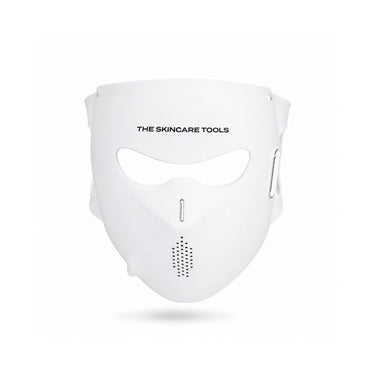
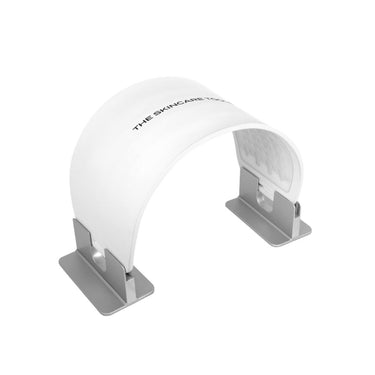
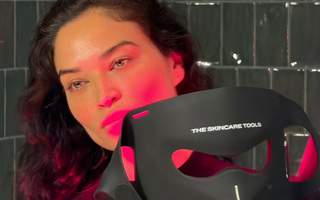
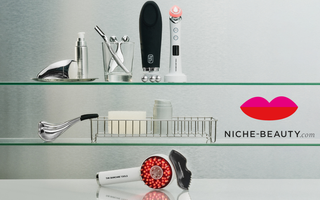
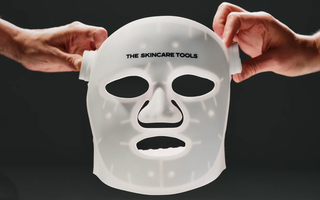
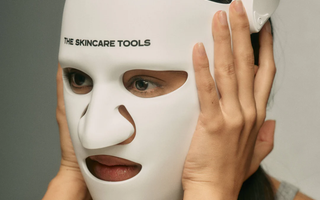
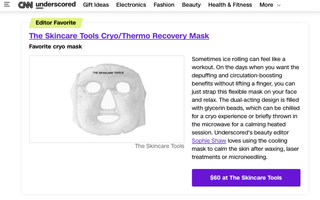
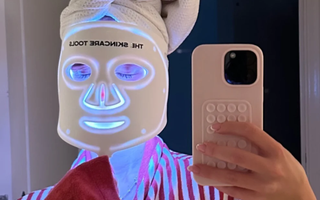
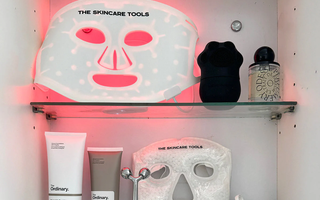
The 4D Pro Laser Light Therapy Face Mask delivers three clinically studied wavelengths of laser light: 660nm Deep Red, 850nm Near-Infrared and industry-first 1064nm Long-Wave Near-Infrared, to support cellular energy production (ATP), collagen activity and the skin's natural renewal processes. Rather than targeting pigment directly, it helps support the biological functions that contribute to healthier-looking skin over time.
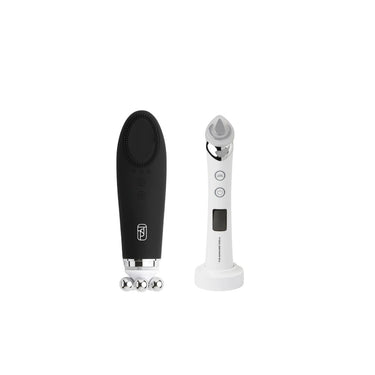
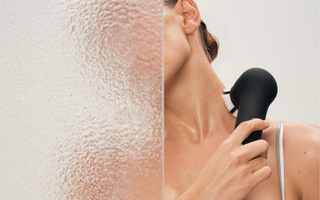
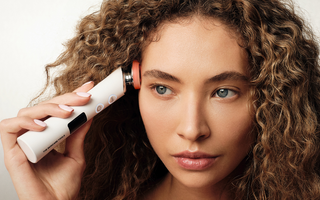
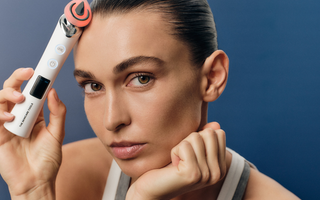
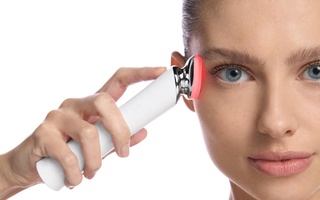
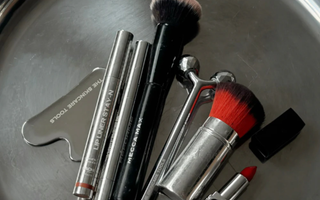
Pairing this with the Serum Activation Wand can further support your daily routine. Using electroporation technology to enhance the absorption of compatible skincare ingredients, alongside LED light therapy and thermal technology, it helps maximise the performance of the brightening and barrier-supporting serums you already use.
The Earlier You Start, The Better
Age spots don't suddenly appear as you get older. They are the visible record of years of cumulative exposure and gradual biological change.
The good news is that your skin continues to respond to consistent care at every age. Protecting against UV exposure, supporting healthy cellular function, reducing oxidative stress and maintaining an effective skincare routine can all help minimise the appearance of pigmentation over time.
When it comes to age spots, prevention is always easier than reversal, and consistency is what makes the biggest difference.