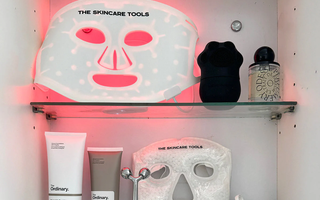
86% Reported Firmer-Looking Skin In 6 Weeks: What Our Clinical Trial Revealed About Red Laser Light Therapy
For decades, the conversation around skin ageing has focused on what we can see. Fine lines, wrinkles, loss of firmness, changes in skin texture, and reduced elasticity are often treated as isolated concerns to be corrected. Yet these visible changes are rarely the starting point. In reality, they are often the result of biological processes that have been developing beneath the skin's surface for years. Long before a wrinkle becomes visible, collagen production has already begun to slow, cellular energy production has started to decline, and the skin's natural ability to repair and regenerate itself has become less efficient.

As our understanding of skin biology has evolved, so too has the way experts think about skin rejuvenation. Increasingly, the focus is moving away from simply treating the visible signs of ageing and towards supporting the biological systems that influence how skin functions, repairs, and regenerates over time. This shift has contributed to growing interest in technologies such as laser light therapy, a form of photobiomodulation that uses specific wavelengths of light to interact with cellular processes associated with skin renewal and regeneration.
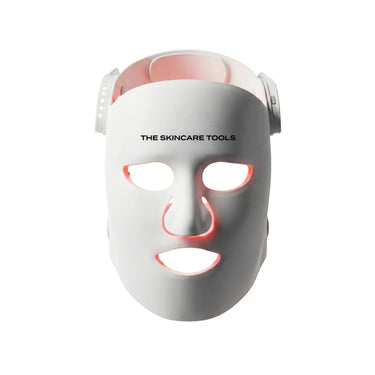
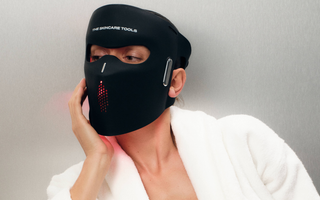
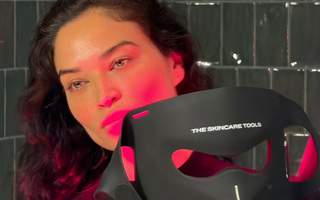
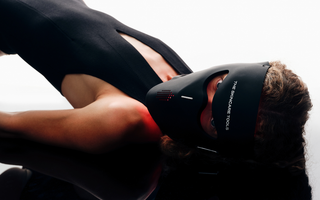
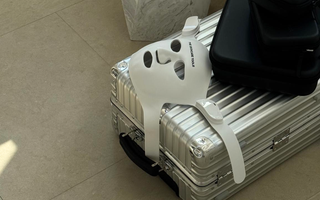
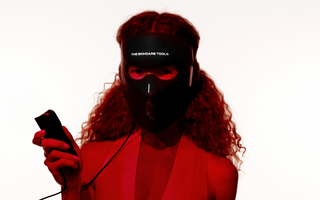
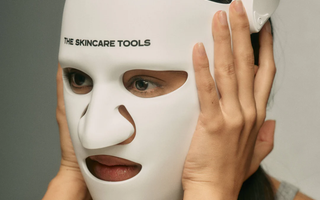
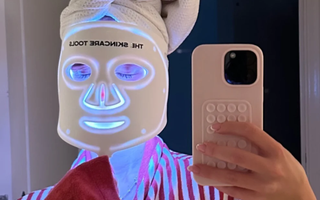
To better understand how laser light therapy may support these processes, we recently conducted a six-week consumer perception study using the 4D Pro Laser Light Therapy Face Mask. Following regular use according to the recommended treatment protocol, 86% of participants reported visibly improved skin firmness and elasticity, while 84% reported that the appearance of fine lines looked visibly softened.* While individual results will always vary, these findings contribute to the growing body of evidence surrounding light-based technologies and their role within modern skin rejuvenation.

According to Dr Jeremy Hunt, Specialist Plastic Surgeon with more than twenty years of experience across aesthetic and reconstructive procedures, the growing interest in laser light therapy reflects a broader shift occurring within aesthetics.
"Throughout my career, I've followed the evolution of skin rejuvenation technology closely, particularly treatments designed to improve visible signs of ageing without invasive procedures or downtime. One of the most exciting developments in recent years has been the emergence of laser light therapy, particularly its ability to support visible skin rejuvenation in a non-invasive, clinically backed way."
Understanding why these technologies are attracting so much attention begins with understanding what actually happens beneath the skin as we age.
Why Skin Loses Firmness Over Time
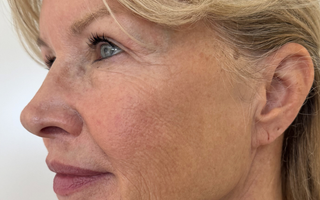
One of the most common misconceptions about ageing is that wrinkles themselves are the problem. In reality, wrinkles are often the visible outcome of deeper biological changes occurring throughout the skin. Collagen production begins declining as early as our twenties. Elastin fibres gradually become less organised. Fibroblast activity slows. Cellular energy production becomes less efficient. Over time, these changes influence the skin's structure, resilience, and ability to repair itself.
Dr Hunt explains that many of the visible concerns associated with ageing stem directly from these underlying biological changes. Fine lines, wrinkles, and jowls develop over time due to collagen loss, UV exposure, dehydration, and repeated facial movement. As collagen production declines and the skin's ability to repair and regenerate itself becomes less efficient, firmness, elasticity, and overall skin quality begin to change.
"As we age, collagen production slows, elastin fibres become less organised and cellular energy production begins to decline. At the same time, fibroblast activity becomes less efficient, repair processes slow down and the skin gradually loses firmness, density and structural support. This is why ageing skin can start to look thinner, less resilient and more prone to fine lines and wrinkles over time."
For many years, skincare largely focused on addressing the symptoms of these changes. Today, researchers are becoming increasingly interested in supporting the biological systems responsible for maintaining healthy skin in the first place.

The Role Of Cellular Energy In Skin Ageing
Every biological function occurring within the skin requires energy. Collagen production requires energy. Tissue repair requires energy. Cellular communication requires energy. Even the process of replacing damaged skin cells depends on a constant supply of cellular fuel.
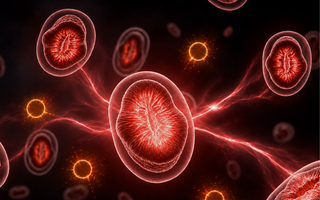
At the centre of this activity are structures known as mitochondria. Often referred to as the powerhouses of the cell, mitochondria are responsible for producing adenosine triphosphate, or ATP, which serves as the primary source of cellular energy throughout the body. When mitochondrial function is operating efficiently, cells are better equipped to perform the countless biological processes required to maintain healthy tissue.
As we age, mitochondrial efficiency naturally declines. Researchers believe this reduction in cellular energy production may contribute to many of the visible characteristics associated with ageing skin. Repair mechanisms become less effective, collagen production slows, and overall skin resilience begins to diminish. This understanding has helped drive growing interest in technologies designed to support mitochondrial activity and cellular energy production.
One of the most widely studied approaches is photobiomodulation.
How Laser Light Therapy Works
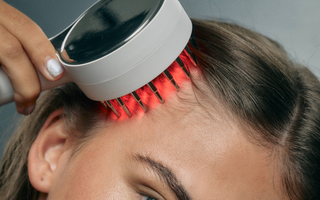
Laser light therapy is based on the principle of photobiomodulation, a process that describes how specific wavelengths of light interact with biological tissue. Researchers believe certain wavelengths can be absorbed by photoacceptors within the mitochondria, influencing cellular activity and supporting ATP production.
Dr Hunt explains the process in simple terms.
"Laser light therapy works by delivering specific wavelengths of light into the skin. These wavelengths are absorbed by photoacceptors within the mitochondria, the structures responsible for producing cellular energy. This interaction helps support mitochondrial function and ATP production, providing the energy needed for many of the skin's repair and regenerative processes."
Unlike topical skincare, which primarily interacts with the surface of the skin, light therapy is designed to deliver energy directly into tissue. The goal is not to force change through injury or trauma, but rather to support the biological pathways already involved in maintaining healthy skin.
Importantly, not all wavelengths behave in the same way. Different wavelengths travel to different depths within the skin, allowing them to interact with different biological structures along the way.
"Different wavelengths penetrate to different depths within the skin, allowing laser light therapy to interact with multiple layers of tissue. This enables light energy to reach cellular targets involved in skin renewal, collagen production, tissue repair, and overall skin regeneration."
This ability to interact with multiple layers of tissue is one reason laser light therapy has become such an important area of research within both aesthetic medicine and longevity science.

Why Researchers Are Paying Attention To Photobiomodulation
Over the past two decades, photobiomodulation has evolved from a niche area of research into one of the most actively investigated fields within non-invasive skin rejuvenation. Scientists continue exploring how specific wavelengths of light influence cellular activity, tissue regeneration, inflammation, collagen synthesis, and overall skin performance.
One reason for this growing interest is that photobiomodulation works with the body's existing biological systems. Rather than relying on injury-based mechanisms, researchers believe light energy may support processes that already exist within healthy tissue. This makes it an appealing area of investigation for clinicians seeking non-invasive approaches to skin rejuvenation.
At the same time, advances in technology have allowed modern devices to deliver increasingly sophisticated combinations of wavelengths. Red light, near-infrared light, and newer long-wave near-infrared technologies are now being incorporated into treatment systems designed to support multiple biological pathways simultaneously.
As our understanding of skin biology continues to evolve, many experts believe the future of skin rejuvenation will increasingly involve technologies that focus on supporting regeneration rather than simply treating visible concerns after they appear.
What Our Clinical Trial Results May Tell Us
The findings from our six-week consumer perception study should be viewed within this broader context.
When 86% of participants reported visibly improved skin firmness and elasticity, and 84% reported that the appearance of fine lines looked visibly softened, the results reflected more than simply a cosmetic outcome. They aligned with many of the biological processes researchers continue to investigate within photobiomodulation science, including collagen support, cellular energy production, tissue renewal, and skin regeneration.*
Importantly, these changes did not occur overnight. Biological processes such as collagen synthesis and tissue remodelling take time. This is one reason consistency remains such an important factor when incorporating light therapy into a skincare routine. Just as fitness is built through repeated training rather than a single workout, many of the processes associated with healthy skin occur gradually through consistent support over time.
While further research into light-based technologies continues, these findings reinforce why laser light therapy has become an increasingly important category within modern skincare.
The Future Of Skin Rejuvenation
The future of skincare is increasingly moving beyond surface-level solutions. Researchers, clinicians, and consumers alike are becoming more interested in technologies that support the biological systems responsible for maintaining healthy skin. Cellular energy. Collagen support. Tissue regeneration. Skin resilience. These concepts are shaping the next generation of skin rejuvenation technologies.
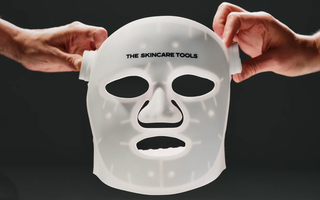
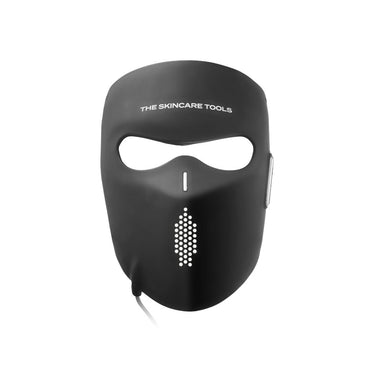
The 4D Pro Laser Light Therapy Face Mask was developed around this understanding. Combining 660nm Red Laser Light, 850nm Near-Infrared Laser Light, and industry-first 1064nm Long-Wave Near-Infrared technology with 270 advanced Focus Laser Light Therapy light points, the device was engineered to support collagen activity, cellular energy production, skin renewal, and overall skin performance through precise, concentrated light delivery.
While no technology can stop ageing, supporting the biological processes that influence how skin functions may help optimise how skin ages over time. As research into photobiomodulation continues to evolve, laser light therapy is increasingly emerging as one of the most exciting areas within non-invasive skin rejuvenation, not because it promises perfection, but because it seeks to support the very systems responsible for maintaining healthier, stronger, and more resilient-looking skin.
*86% reported visibly improved skin firmness and elasticity within 6 weeks. Based on a consumer perception study conducted over 6 weeks with regular use of the 4D PRO Laser Light Therapy Face Mask according to the recommended treatment protocol. Results are self-reported and may vary by individual. Participants received compensation.
*84% reported the appearance of fine lines looked visibly softened within 6 weeks. Based on a consumer perception study conducted over 6 weeks with regular use of the 4D PRO Laser Light Therapy Face Mask according to the recommended treatment protocol. Results are self-reported and may vary by individual. Participants received compensation.