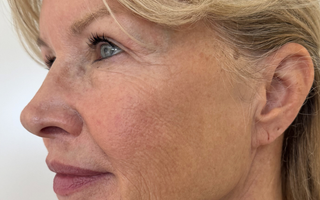
Fine lines and wrinkles are one of the most visible signs of skin ageing. As collagen production naturally declines, the skin gradually loses firmness, elasticity and structural support, allowing expression lines to become more noticeable over time.
While wrinkles are a natural part of ageing, the rate at which they develop is influenced by both intrinsic ageing and external factors. Daily sun protection, healthy lifestyle habits and technologies that support collagen production can all contribute to healthier-looking skin. One technology attracting growing attention is laser light therapy, a non-invasive treatment that works beneath the skin's surface to support natural skin renewal.
What Causes Wrinkles?
Wrinkles develop as the skin's internal support network gradually changes. Throughout early adulthood, collagen and elastin production begins to slow, while existing collagen fibres become thinner and more fragmented. As this structural framework weakens, the skin becomes less resilient and fine lines become increasingly visible.
Environmental factors can accelerate this process. Ultraviolet exposure remains one of the leading causes of premature skin ageing, while pollution, smoking, poor sleep and chronic stress all contribute to oxidative stress that further degrades collagen. Repeated facial expressions and genetics also influence how and when wrinkles develop.
Although these changes are inevitable, supporting collagen production before significant collagen loss occurs can help maintain firmer, smoother-looking skin for longer.

Can Laser Therapy Reduce Wrinkles?
No treatment can permanently erase wrinkles completely, but many can improve their appearance by supporting the skin's underlying structure.
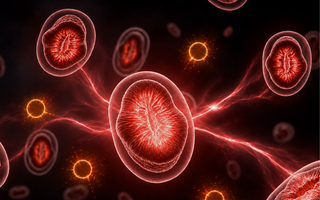
Unlike treatments that temporarily mask wrinkles at the surface, laser light therapy works by stimulating the biological processes involved in skin renewal. Light energy is absorbed by the mitochondria within skin cells, increasing cellular energy production (ATP). This additional energy helps activate fibroblasts, the specialised cells responsible for producing collagen and elastin.
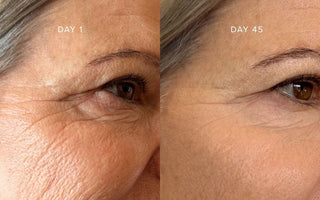
As collagen remodelling occurs gradually, improvements develop over time. With consistent use, laser therapy can help soften the appearance of fine lines while improving skin firmness, elasticity and overall skin quality.
What Is Laser Light Therapy?
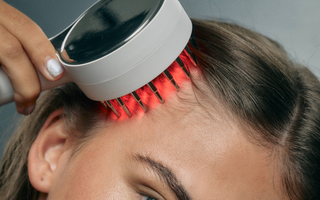
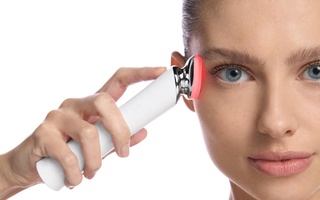
Laser light therapy is a form of photobiomodulation that uses concentrated wavelengths of light to support normal cellular function. When delivered at specific wavelengths, laser energy penetrates the skin where it is absorbed by the mitochondria, triggering a series of biological responses associated with tissue repair and collagen production.
Unlike conventional LED devices, laser emits highly focused, coherent light that remains concentrated as it travels through the skin. This allows light energy to be delivered with greater precision, making laser therapy an increasingly popular technology for skin rejuvenation.
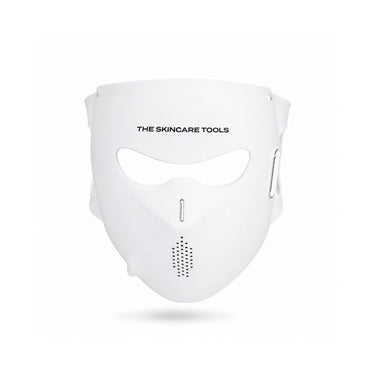
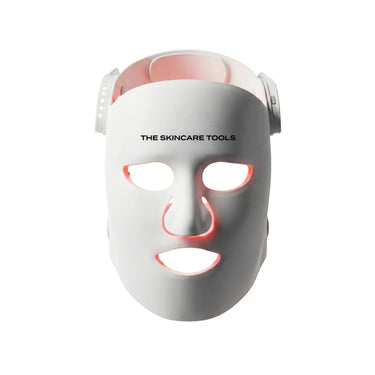
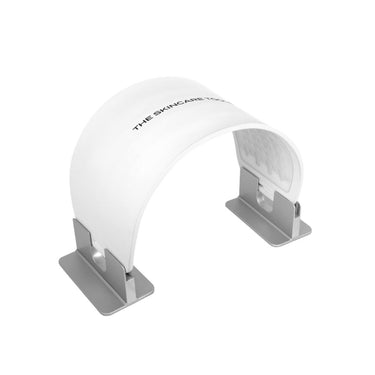
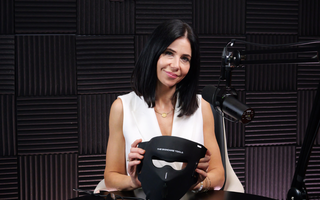
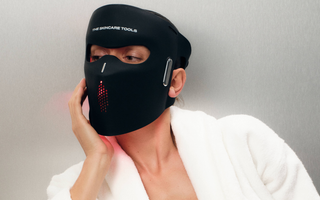
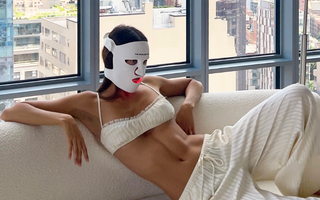
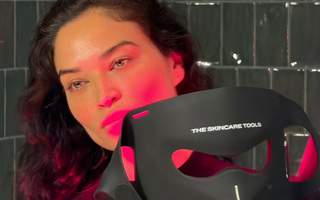
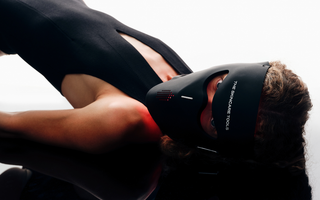
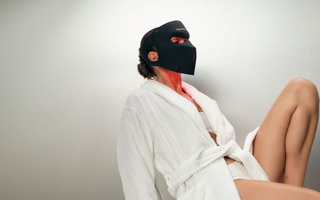
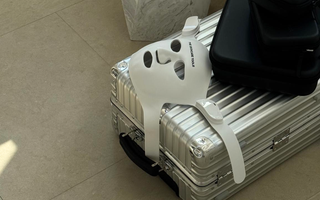
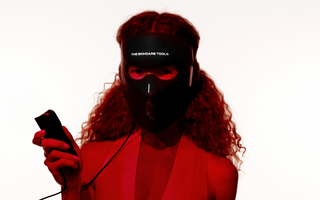
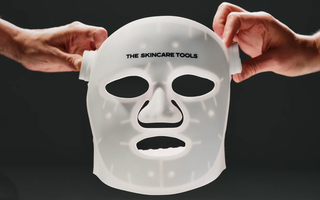
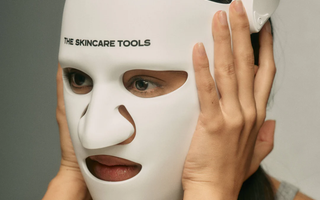
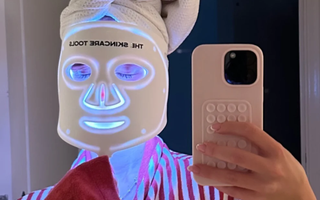
A laser face mask combines these clinically studied wavelengths into a full-face treatment designed to support skin firmness, texture, radiance and the appearance of fine lines.

Does Laser Light Therapy Work For Wrinkles?
Clinical research has shown that photobiomodulation can stimulate fibroblast activity and support collagen production, making laser light therapy an effective non-invasive option for improving visible signs of skin ageing.
Rather than producing immediate cosmetic changes, laser therapy works with the skin's natural repair processes. As collagen production increases and existing collagen remodels, the skin gradually becomes firmer and more resilient. This is why visible improvements typically develop over several weeks of consistent treatment rather than after a single session.
Many users also report improvements in overall skin texture, radiance and elasticity alongside a reduction in the appearance of fine lines.
Choosing A Laser Face Mask
Professional laser treatments have traditionally only been available in clinics, but advances in technology have made professional-grade treatments accessible at home.
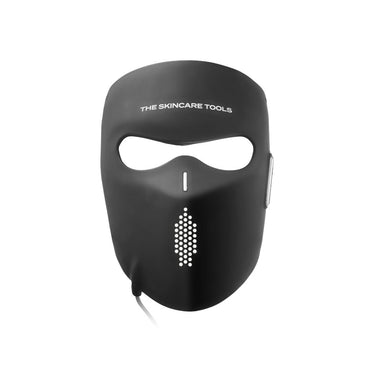
The 4D Pro Laser Light Therapy Face Mask combines three clinically studied laser wavelengths, including 660nm Deep Red Laser, 850nm Near-Infrared Laser and 1064nm Long-Wave Near-Infrared Laser. Together, these wavelengths are designed to stimulate cellular energy production and activate the fibroblasts responsible for collagen synthesis.
Unlike standard LED masks, the 4D Pro uses precision laser technology that delivers highly concentrated light energy with greater accuracy. With consistent use, it helps improve the appearance of skin firmness, elasticity, texture and fine lines while supporting healthier-looking skin overall.
How Often Should You Use Laser Light Therapy?
Consistency is one of the most important factors when using laser light therapy. Collagen remodelling is a gradual biological process, meaning visible improvements develop with repeated treatments rather than overnight.
The 4D Pro Laser Light Therapy Face Mask is designed to be used for 10 minutes per day during the initial treatment period, before transitioning to a maintenance routine. Like exercise, the benefits of laser therapy are cumulative, with each treatment helping to support the skin's long-term renewal processes.
Supporting Wrinkle Reduction Beyond Laser Therapy
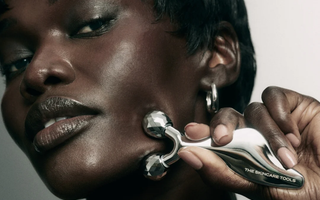
Laser light therapy works best as part of a comprehensive skincare routine. Daily SPF helps minimise UV-induced collagen breakdown, while adequate hydration, sufficient protein intake and antioxidant-rich foods all support healthy skin function.
Together with consistent laser treatments, these habits help create an environment that supports collagen production and healthier-looking skin over time.