Collagen is often described as the foundation of youthful-looking skin. It is the structural protein responsible for firmness, elasticity and resilience, helping skin maintain its shape while recovering from the thousands of expressions, movements and environmental stressors it experiences every day.
Yet despite its importance, collagen is not something that remains constant throughout life. From as early as our mid-twenties, collagen production begins to decline. Fibroblasts become less efficient, cellular energy production gradually slows and the balance between collagen synthesis and collagen breakdown begins to shift. These changes occur years before wrinkles become visible, quietly influencing the way skin ages over time.
While many people associate ageing with fine lines and wrinkles, the reality is far more complex. The visible signs of ageing are often the result of biological changes occurring deep within the skin. Collagen fibres become fragmented, elastin networks weaken and the skin's ability to repair and regenerate itself becomes less efficient. Over decades, these cumulative changes contribute to reduced firmness, loss of elasticity and the gradual softening of facial contours.
The encouraging news is that understanding how collagen changes throughout life provides valuable insight into how we can better support the skin as it ages. Advances in skin biology have transformed our understanding of ageing, shifting the focus away from simply correcting visible concerns and towards supporting the cellular systems responsible for maintaining healthy skin in the first place.
In this guide, we explore how collagen changes through each decade of life, why these changes occur and what modern science tells us about supporting collagen production for healthier, more resilient skin over time.
Key Takeaways
- Collagen is the primary structural protein responsible for skin firmness and resilience.
- Collagen production begins declining from approximately the mid-twenties.
- Fibroblasts are the specialised cells responsible for producing collagen.
- UV exposure is one of the leading causes of accelerated collagen breakdown.
- Mitochondrial health and ATP production play a critical role in collagen synthesis.
- Ageing affects both the quantity and quality of collagen within the skin.
- Laser light therapy is increasingly being studied for its ability to support the biological processes involved in collagen production.

What is Collagen?
Collagen is the most abundant protein in the human body and serves as one of the primary building blocks of connective tissue. It is found throughout the skin, bones, tendons, ligaments and blood vessels, where it provides strength, structure and support. Within the skin specifically, collagen forms the framework of the dermis, the layer responsible for maintaining firmness, elasticity and overall skin integrity.
To understand collagen's role, it can be helpful to imagine the skin as a mattress. The visible surface of the skin is supported by an intricate network beneath it. Collagen acts as the springs within that mattress, helping the skin maintain its shape and resist deformation. When collagen levels are high and fibres are healthy, skin appears firm, smooth and resilient. As collagen declines and fibres become fragmented, the skin gradually loses structural support and begins to show visible signs of ageing.
Collagen is not simply a passive support structure. It is a dynamic component of the extracellular matrix, the complex environment that surrounds cells within the dermis. It works alongside elastin, hyaluronic acid, growth factors and numerous signalling molecules to maintain healthy skin function. Together, these components influence hydration, elasticity, wound healing and tissue repair.
One of the most remarkable aspects of collagen is that it is constantly being renewed. Throughout life, specialised cells called fibroblasts produce new collagen fibres while older or damaged fibres are broken down and removed. In youthful skin, this process exists in a carefully balanced state. As we age, however, collagen degradation begins to outpace collagen production, gradually altering the structure of the dermis.
This shift does not happen overnight. It occurs slowly over years and decades, influenced by genetics, lifestyle choices and environmental exposures. Understanding this process is the first step towards understanding why skin ages the way it does.

Why Collagen Matters More Than You Think
When people think about collagen, they often think about wrinkles. While wrinkles are certainly one consequence of collagen decline, collagen influences far more than the appearance of lines on the skin.
Collagen provides the structural framework that supports facial contours, helps maintain elasticity and allows skin to recover after movement. It plays a central role in wound healing, tissue repair and the overall integrity of the extracellular matrix. Healthy collagen contributes not only to how the skin looks, but also to how it functions.
As collagen declines, multiple changes begin occurring simultaneously. The skin becomes less firm, hydration becomes harder to maintain and the ability to recover from environmental stress is reduced. Fine lines become more visible, elasticity decreases and facial contours gradually soften. These changes often occur progressively over many years, making them difficult to recognise in real time.
This is why many experts now view ageing skin as a structural and biological process rather than simply a cosmetic concern. The visible signs of ageing are ultimately a reflection of deeper changes occurring within the cells and tissues that maintain the skin's architecture.
The Two Most Important Types Of Collagen In Skin
Although scientists have identified more than twenty-eight different types of collagen throughout the body, the vast majority of collagen within the skin consists of two forms: Type I collagen and Type III collagen.
Type I collagen is the most abundant form found in adult skin. It provides strength, density and structural support, helping the skin maintain firmness and resist stretching. It is often described as the backbone of the dermal matrix because it forms the strong fibres responsible for maintaining skin architecture.
Type III collagen plays a different role. It is more abundant in younger skin and contributes to flexibility, suppleness and tissue repair. Its fibres are thinner and more delicate than those of Type I collagen, allowing the skin to remain soft, adaptable and resilient.
As we age, the balance between these collagen types begins to change. Type III collagen declines more rapidly than Type I collagen, contributing to reduced flexibility and elasticity. At the same time, both collagen types become increasingly fragmented and disorganised. The result is a structural network that is less capable of supporting the skin and maintaining its youthful properties.
Importantly, ageing affects not only how much collagen is present but also the quality of that collagen. Even when collagen fibres remain within the skin, they may become damaged, cross-linked and less functional than they were in youth. This distinction helps explain why ageing is not simply about losing collagen but about changes occurring throughout the entire collagen network.
The Extracellular Matrix: The Skin's Living Framework
Collagen is often discussed in isolation, but it actually functions as part of a much larger system known as the extracellular matrix. The extracellular matrix, or ECM, is the complex network that surrounds cells within the dermis and provides the environment in which they live and function.
The ECM is composed of collagen fibres, elastin fibres, hyaluronic acid, proteoglycans, growth factors and numerous signalling molecules. Together, these components form a highly organised three-dimensional framework that provides structural support while also facilitating communication between cells.
Rather than being a static support structure, the extracellular matrix is constantly changing. Fibroblasts continuously monitor the condition of the ECM, repairing damaged areas and producing new structural proteins when required. This dynamic process allows the skin to adapt to environmental stress, recover from injury and maintain healthy tissue function.
One of the most important functions of the extracellular matrix is mechanical communication. Fibroblasts physically interact with collagen fibres and use these interactions to assess the health of the surrounding tissue. When collagen fibres are healthy and organised, fibroblasts receive signals encouraging continued collagen production. When collagen becomes fragmented, these signals weaken and fibroblast activity gradually declines.
This relationship creates one of the defining characteristics of ageing skin. As collagen deteriorates, fibroblasts receive fewer structural cues and become less efficient at producing new collagen. Reduced collagen production then accelerates further deterioration of the extracellular matrix, creating a cycle of progressive structural decline.
Understanding the extracellular matrix provides a broader perspective on skin ageing. It reminds us that collagen is not an isolated protein but part of an interconnected biological system responsible for maintaining skin health, structure and resilience.

How Collagen Is Produced
Collagen production is one of the most complex and energy-intensive processes that occurs within the skin. Every collagen fibre present within the dermis must first be synthesised, assembled and organised before it can contribute to the skin's structural framework. This process takes place primarily within specialised cells known as fibroblasts and requires a coordinated series of biological events that rely heavily on cellular energy.
The process begins deep within the fibroblast. Specific genes contain the instructions required to produce collagen proteins. When these genes are activated, fibroblasts begin manufacturing collagen chains that are carefully assembled into a characteristic triple-helix structure. This structure forms the foundation of every collagen fibre and is responsible for the remarkable strength and stability associated with collagen-rich tissue.
Once these collagen molecules are produced, they are transported outside the fibroblast and organised into larger fibrils. These fibrils then combine to form the collagen fibres that populate the dermis and provide structural support throughout the skin. This assembly process requires precise coordination and significant amounts of energy, highlighting why healthy cellular function is essential for maintaining healthy collagen production.
Several nutrients play important roles in collagen synthesis. Vitamin C is particularly critical because it helps stabilise collagen molecules during production. Without adequate vitamin C, collagen fibres become weak and structurally compromised. Other nutrients including amino acids, copper and zinc also contribute to the formation and maintenance of healthy collagen networks.
In youthful skin, collagen production occurs efficiently and continuously. Fibroblasts readily replace damaged fibres, maintain extracellular matrix integrity and support ongoing tissue repair. As ageing progresses, however, this process gradually becomes less efficient. Fibroblasts produce less collagen, collagen fibres become increasingly fragmented and the balance between production and degradation begins to shift.
Understanding how collagen is produced helps explain why ageing affects skin structure so profoundly. When the biological machinery responsible for collagen synthesis becomes less efficient, the consequences are eventually reflected in the visible appearance of the skin.

Fibroblasts: The Cells Responsible For Producing Collagen
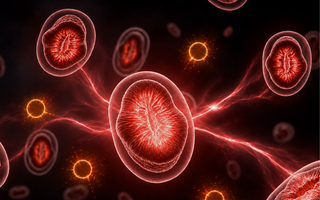
If collagen is the structural foundation of youthful skin, fibroblasts are the cells responsible for building and maintaining that foundation. These specialised connective tissue cells reside within the dermis and serve as the primary producers of collagen, elastin and many other components of the extracellular matrix.
Fibroblasts are remarkably active cells. In healthy skin, they continuously monitor their environment, assess tissue integrity and respond to changes within the extracellular matrix. When collagen fibres become damaged, fibroblasts initiate repair processes that help maintain structural stability. During wound healing, fibroblasts dramatically increase collagen production to support tissue regeneration and restore normal skin architecture.
One of the most fascinating aspects of fibroblasts is their ability to sense mechanical tension within the skin. Through specialised receptors, fibroblasts physically connect to collagen fibres and monitor the condition of the surrounding extracellular matrix. Healthy collagen fibres provide signals that encourage fibroblasts to remain active and continue producing new collagen. This ongoing communication helps maintain the integrity of the dermal framework.
As we age, this communication becomes disrupted. Collagen fibres become fragmented and increasingly disorganised, reducing the mechanical signals that fibroblasts depend upon. Without these signals, fibroblasts gradually become less active and less efficient at producing collagen. This contributes to the progressive decline in collagen production observed throughout the ageing process.
Fibroblasts are also highly dependent on cellular energy. Producing collagen requires substantial amounts of ATP, the energy molecule generated by mitochondria. When ATP production declines, fibroblasts may struggle to maintain the same level of collagen synthesis, further contributing to age-related structural changes within the skin.
Many modern skin longevity strategies focus on supporting fibroblast function because these cells sit at the centre of collagen production. Healthy fibroblasts help maintain healthy collagen, and healthy collagen supports the structure, resilience and appearance of youthful skin.
Why Collagen Declines With Age
One of the most common misconceptions about ageing is that collagen simply disappears over time. In reality, collagen decline is the result of multiple biological processes occurring simultaneously. These processes affect both the production of new collagen and the breakdown of existing collagen, gradually altering the structure and function of the skin over decades.
The first factor is reduced collagen synthesis. Fibroblasts become less active as we age, producing lower quantities of collagen and responding less effectively to signals that would normally stimulate repair and regeneration. This means fewer new collagen fibres are added to the extracellular matrix over time.
At the same time, collagen degradation increases. Matrix metalloproteinases, commonly referred to as MMPs, are enzymes responsible for breaking down damaged collagen fibres. While these enzymes play an important role in normal tissue maintenance, their activity often increases with age and environmental stress. As a result, collagen breakdown begins to outpace collagen production.
Oxidative stress is another major contributor to collagen decline. Reactive oxygen species generated through ultraviolet exposure, pollution, smoking and normal metabolism can damage collagen fibres directly while also impairing fibroblast function. This creates an environment that favours structural deterioration rather than repair.
Glycation further accelerates collagen ageing. When sugar molecules bind to collagen fibres, they create abnormal cross-links that make collagen increasingly rigid and inflexible. Over time, glycated collagen becomes less functional and more prone to fragmentation.
Hormonal changes also play a significant role. Declining oestrogen levels, particularly during menopause, are associated with measurable reductions in collagen production and skin thickness. These changes contribute to the accelerated structural ageing often observed during the fifth and sixth decades of life.
Together, these processes create a gradual but persistent shift in collagen homeostasis. The skin continues producing collagen throughout life, but the balance increasingly favours degradation over regeneration. Understanding these mechanisms helps explain why ageing affects skin structure so profoundly and why maintaining collagen health requires a multifaceted approach.
Why Collagen Declines With Age
One of the most common misconceptions about ageing is that collagen simply disappears over time. In reality, collagen decline is the result of multiple biological processes occurring simultaneously. These processes affect both the production of new collagen and the breakdown of existing collagen, gradually altering the structure and function of the skin over decades.
The first factor is reduced collagen synthesis. Fibroblasts become less active as we age, producing lower quantities of collagen and responding less effectively to signals that would normally stimulate repair and regeneration. This means fewer new collagen fibres are added to the extracellular matrix over time.
At the same time, collagen degradation increases. Matrix metalloproteinases, commonly referred to as MMPs, are enzymes responsible for breaking down damaged collagen fibres. While these enzymes play an important role in normal tissue maintenance, their activity often increases with age and environmental stress. As a result, collagen breakdown begins to outpace collagen production.
Oxidative stress is another major contributor to collagen decline. Reactive oxygen species generated through ultraviolet exposure, pollution, smoking and normal metabolism can damage collagen fibres directly while also impairing fibroblast function. This creates an environment that favours structural deterioration rather than repair.
Glycation further accelerates collagen ageing. When sugar molecules bind to collagen fibres, they create abnormal cross-links that make collagen increasingly rigid and inflexible. Over time, glycated collagen becomes less functional and more prone to fragmentation.
Hormonal changes also play a significant role. Declining oestrogen levels, particularly during menopause, are associated with measurable reductions in collagen production and skin thickness. These changes contribute to the accelerated structural ageing often observed during the fifth and sixth decades of life.
Together, these processes create a gradual but persistent shift in collagen homeostasis. The skin continues producing collagen throughout life, but the balance increasingly favours degradation over regeneration. Understanding these mechanisms helps explain why ageing affects skin structure so profoundly and why maintaining collagen health requires a multifaceted approach.

Mitochondria, ATP And The Energy Behind Collagen Production
One of the most important developments in modern skin science is the growing recognition that ageing is not only a structural process but also an energy process. Every biological function that maintains healthy skin requires energy, including collagen synthesis, wound healing, cellular repair and antioxidant defence. At the centre of this energy production system are the mitochondria.
Mitochondria are specialised structures found within nearly every cell in the body. Their primary role is to generate adenosine triphosphate, or ATP, the molecule that powers cellular activity. ATP is often referred to as the body's energy currency because virtually every biological process depends upon it.
Fibroblasts are particularly reliant on ATP because collagen synthesis is an energy-intensive task. Producing collagen requires gene activation, protein assembly, intracellular transport and extracellular organisation, all of which consume significant amounts of energy. When ATP production is robust, fibroblasts are better equipped to maintain healthy collagen production and support tissue repair.
Unfortunately, mitochondrial function declines gradually with age. Oxidative stress, environmental damage and accumulated cellular wear all contribute to reduced mitochondrial efficiency. As mitochondria become less effective, ATP production decreases and less energy becomes available to support collagen synthesis.
At the same time, ageing mitochondria often produce increased levels of reactive oxygen species, further contributing to oxidative stress within the skin. This combination of reduced energy production and increased oxidative damage creates a challenging environment for fibroblasts and accelerates many of the biological processes associated with ageing.
Researchers increasingly view mitochondrial health as one of the central drivers of healthy skin ageing. By supporting ATP production and cellular energy metabolism, it may be possible to better support the biological systems responsible for collagen production and tissue maintenance.
Glycation: How Sugar Influences Skin Ageing
While ultraviolet exposure is widely recognised as a contributor to skin ageing, glycation remains one of the lesser-known mechanisms that influence collagen health. Glycation occurs when sugar molecules attach to proteins within the body, including collagen. Over time, these reactions lead to the formation of compounds known as advanced glycation end products, or AGEs.
Collagen is particularly vulnerable to glycation because it remains within the skin for extended periods of time. Unlike proteins that are frequently replaced, collagen fibres may persist within the dermis for years, increasing their exposure to glycation-related damage.
When collagen becomes glycated, its structure changes. Fibres become stiffer, less flexible and increasingly resistant to normal remodelling processes. This reduces the skin's ability to recover following movement and contributes to the formation of fine lines and wrinkles.
Glycation also promotes oxidative stress and inflammation. Advanced glycation end products can interact with specialised cellular receptors that trigger inflammatory signalling pathways, creating an environment that accelerates collagen degradation and tissue ageing.
Dietary habits may influence glycation rates. Excessive sugar intake, highly processed foods and foods cooked at very high temperatures are often associated with increased AGE formation. While diet is only one factor among many, it highlights the close relationship between internal health and skin biology.
The concept of glycation reinforces an important principle of healthy ageing. Skin health is influenced not only by external factors such as sunlight but also by internal biological processes that affect collagen structure and function over time.
UV Exposure And Photoageing: The Leading Cause Of Premature Collagen Loss
While collagen naturally declines as part of the ageing process, environmental factors can dramatically accelerate this decline. Among all external influences, ultraviolet radiation is considered the single greatest contributor to premature skin ageing. In fact, many dermatologists estimate that a significant proportion of visible facial ageing is caused not by chronological age itself, but by cumulative sun exposure over time.
Ultraviolet radiation affects the skin in multiple ways. UVB radiation primarily impacts the outermost layers of the skin and is responsible for sunburn. UVA radiation, however, penetrates much deeper into the dermis where collagen fibres, elastin fibres and fibroblasts reside. Because of this deeper penetration, UVA is widely considered one of the primary drivers of collagen degradation and photoageing.
When ultraviolet radiation reaches the skin, it generates reactive oxygen species that create oxidative stress within cells and tissues. These unstable molecules damage collagen fibres directly while also activating enzymes known as matrix metalloproteinases. As these enzymes increase, collagen degradation accelerates and the structural integrity of the extracellular matrix begins to decline.
Ultraviolet exposure also impairs fibroblast function. Not only does the skin break down collagen more rapidly, but it simultaneously becomes less efficient at replacing the collagen that has been lost. This dual effect helps explain why repeated sun exposure can dramatically accelerate visible signs of ageing over time.
One of the most important aspects of photoageing is that it is cumulative. The damage caused by ultraviolet radiation often develops gradually over decades. A single day in the sun may not produce visible ageing, but years of repeated exposure can significantly alter collagen structure and accelerate wrinkle formation, pigmentation changes and skin laxity.
This is why sun protection remains one of the most effective strategies for preserving collagen. While intrinsic ageing cannot be avoided, protecting the skin from excessive ultraviolet exposure can help reduce unnecessary collagen breakdown and support long-term skin health.

Chronological Ageing Vs Photoageing
Although ageing is often discussed as a single process, skin ageing actually occurs through two distinct pathways: chronological ageing and photoageing. Understanding the difference between these processes helps explain why some individuals appear to age more rapidly than others despite being the same age.
Chronological ageing refers to the natural biological changes that occur as part of the ageing process. These changes are largely influenced by genetics and include declining fibroblast activity, reduced collagen synthesis, mitochondrial dysfunction, hormonal changes and cellular senescence. Chronological ageing occurs in everyone and represents the intrinsic component of skin ageing.
Photoageing, by contrast, results from environmental exposures. Ultraviolet radiation is the primary contributor, although pollution, smoking, poor sleep and chronic stress can also play important roles. These external factors accelerate collagen degradation, increase oxidative stress and amplify many of the biological pathways involved in skin ageing.
The visible differences between chronological ageing and photoageing can be significant. Chronological ageing typically produces gradual thinning of the skin, fine lines and reduced elasticity. Photoageing often results in deeper wrinkles, uneven pigmentation, rough texture and more pronounced loss of firmness.
Perhaps the most important distinction is that chronological ageing is inevitable, while photoageing is largely preventable. Although we cannot stop time, we can influence how environmental factors affect the skin. Consistent sun protection, healthy lifestyle choices and interventions that support cellular function can all contribute to healthier ageing over the long term.
Understanding this distinction empowers individuals to take a proactive approach to collagen preservation. While genetics undoubtedly influence the way skin ages, lifestyle and environmental exposures also play a major role in determining how quickly visible changes develop.
Collagen In Your 20s: Building The Foundation
The twenties are often considered the decade of peak skin health. Collagen production remains high, fibroblasts are highly active and the extracellular matrix is densely organised. Skin typically appears firm, smooth and resilient, recovering quickly from environmental stress and maintaining strong structural integrity.
Although visible signs of ageing are usually minimal during this period, important biological changes are already beginning to occur beneath the surface. Research suggests that collagen production begins gradually declining from the mid-twenties onwards. The reduction is subtle and rarely noticeable, but it marks the beginning of a long-term shift in collagen homeostasis that continues throughout life.
Fibroblasts remain highly efficient during this decade. They actively produce collagen, repair damaged fibres and maintain communication throughout the extracellular matrix. Mitochondrial function is also near its peak, providing abundant ATP to support collagen synthesis and tissue repair.
At the same time, environmental damage begins accumulating. Ultraviolet exposure, pollution and oxidative stress may not produce immediate visible effects, but they initiate microscopic changes within collagen fibres and fibroblast populations. These cumulative changes often remain hidden for years before eventually contributing to visible signs of ageing later in life.
The twenties are therefore less about correcting damage and more about preservation. Establishing healthy habits during this decade can have significant long-term benefits for collagen health and overall skin quality. Consistent sun protection, adequate sleep, balanced nutrition and support for healthy cellular function all contribute to maintaining the structural integrity of the skin.
What Happens To Your Skin In Your 20s?
- Collagen production remains high.
- Fibroblasts are highly active.
- Skin is firm, elastic and resilient.
- Environmental damage begins accumulating beneath the surface.
- Preventive habits have the greatest long-term impact.
Collagen In Your 30s: The First Visible Changes
For many people, the thirties are the decade when the first visible signs of ageing begin to emerge. While collagen production remains active, the balance between collagen synthesis and collagen degradation becomes increasingly challenged. The biological changes that began quietly during the twenties gradually accumulate to a point where they begin influencing the appearance of the skin.
One of the earliest changes involves reduced fibroblast efficiency. Fibroblasts continue producing collagen, but they become slightly less responsive to growth factors and less effective at repairing accumulated structural damage. At the same time, ultraviolet exposure and oxidative stress continue stimulating collagen-degrading enzymes, gradually increasing collagen fragmentation throughout the dermis.
The skin's structural framework begins changing in subtle but meaningful ways. Fine lines may appear around the eyes, forehead and mouth, particularly in areas subjected to repeated facial movement. These lines often become more noticeable when the skin is dehydrated or exposed to environmental stress.
Mitochondrial function also begins showing early signs of decline. Although ATP production remains relatively robust, small reductions in cellular energy availability can influence tissue repair and extracellular matrix maintenance. Recovery from environmental stressors may become slower, and maintaining skin hydration can require greater attention than during the twenties.
The thirties are often characterised by a growing awareness of skin ageing rather than dramatic structural changes. Many individuals notice subtle shifts in skin texture, radiance and elasticity before significant wrinkle formation occurs. These changes reflect the early stages of collagen decline rather than substantial collagen loss itself.
What Happens To Your Skin In Your 30s?
- Collagen production gradually slows.
- Fine lines may become visible.
- Skin recovery becomes less efficient.
- Early collagen fragmentation develops.
- Hydration and radiance may begin to decline.
Collagen In Your 40s: Structural Changes Become More Noticeable
By the forties, collagen decline becomes increasingly apparent both biologically and visually. The cumulative effects of reduced collagen synthesis, increased collagen degradation and decades of environmental exposure begin altering the architecture of the dermis in more noticeable ways.
Fibroblasts continue producing collagen, but their activity is significantly reduced compared to earlier decades. Existing collagen fibres become increasingly fragmented and disorganised, weakening the structural framework responsible for skin firmness and resilience. Communication between fibroblasts and the extracellular matrix also becomes less efficient, further reducing collagen production.
One of the most important developments during this decade is the increasing influence of glycation. As advanced glycation end products accumulate, collagen fibres become stiffer and less flexible. This contributes to the formation of deeper expression lines and reduces the skin's ability to recover following repeated movement.
Elastin degradation also becomes more significant. As elastin fibres deteriorate, the skin loses some of its natural recoil capacity. This contributes to reduced firmness, diminished elasticity and the gradual development of facial laxity. Areas such as the cheeks, jawline and neck often begin showing the earliest signs of structural softening.
Visible changes frequently include more pronounced fine lines, deeper wrinkles and reduced skin density. Many individuals also notice a decline in facial definition as the structural support provided by collagen and elastin continues to weaken. Despite these changes, the skin remains biologically active and capable of responding to interventions that support cellular function and collagen production.
What Happens To Your Skin In Your 40s?
- Collagen loss becomes increasingly visible.
- Wrinkles become more pronounced.
- Skin firmness and elasticity decline.
- Facial contours begin to soften.
- Collagen fibres become increasingly fragmented and disorganised.
Collagen In Your 50s: Accelerated Structural Ageing
The fifties are often considered one of the most transformative decades in skin ageing. By this stage, the cumulative effects of collagen decline, elastin degradation, glycation, oxidative stress and environmental exposure have significantly altered the architecture of the dermis. While ageing remains a gradual process, many people notice that visible changes seem to accelerate during this period, particularly in relation to firmness, elasticity and facial contour.
One of the primary drivers of this acceleration is the continued decline in fibroblast activity. Not only do fibroblasts produce less collagen, but they also become less responsive to the signals that would normally stimulate repair and regeneration. As a result, collagen degradation increasingly outpaces collagen synthesis, leading to a measurable reduction in dermal density and structural support.
Hormonal changes also play a significant role during this decade, particularly for women. Oestrogen helps regulate collagen production, hydration and wound healing. As oestrogen levels decline, collagen synthesis can decrease substantially, contributing to reduced skin thickness, diminished elasticity and increased skin fragility. These hormonal influences help explain why many individuals notice more pronounced structural changes during this stage of life.
Mitochondrial function continues to decline, reducing ATP production and limiting the energy available for collagen synthesis. At the same time, oxidative stress and chronic low-grade inflammation become increasingly influential, creating an environment that favours collagen breakdown rather than repair.
The extracellular matrix also undergoes further remodelling. Collagen fibres become thinner and more fragmented, elastin networks deteriorate and hyaluronic acid levels decline. Together, these changes contribute to dryness, crepiness and a visible reduction in skin density. Areas such as the jawline, neck and cheeks often show more noticeable changes in contour as structural support diminishes.
Despite these changes, collagen production does not stop entirely. Fibroblasts remain active and the skin retains the capacity to respond to interventions that support cellular energy production and tissue repair. This is why many modern skin longevity strategies focus on supporting the biological systems responsible for maintaining collagen rather than attempting to simply replace what has been lost.
What Happens To Your Skin In Your 50s?
- Collagen decline accelerates.
- Skin becomes thinner and less dense.
- Firmness and elasticity continue to decrease.
- Facial contours soften more noticeably.
- Hormonal changes influence collagen production and hydration.
Collagen In Your 60s And Beyond
By the sixties and beyond, the cumulative effects of collagen decline become increasingly evident. The dermis contains significantly less collagen than it did during youth and the extracellular matrix has undergone decades of structural remodelling. Wrinkles, laxity and reduced elasticity are often well established by this stage, reflecting the long-term consequences of biological and environmental ageing.
One of the defining features of ageing skin during this period is fibroblast senescence. Senescent fibroblasts remain present within the skin but lose much of their regenerative capacity. Rather than actively supporting collagen production, many begin secreting inflammatory molecules that contribute to tissue deterioration and extracellular matrix breakdown.
The collagen network itself becomes increasingly fragmented and disorganised. Fibres lose their density and structural integrity, reducing the skin's ability to resist mechanical stress and maintain firmness. At the same time, elastin fibres continue to deteriorate, contributing to reduced recoil and increased laxity.
Hydration also becomes more challenging to maintain. Hyaluronic acid levels decline, reducing the skin's capacity to retain water and contributing to dryness and changes in texture. Because collagen helps support the framework that retains hydration, collagen loss further amplifies these effects.
Although visible ageing is more pronounced during this stage, the skin remains biologically active. Fibroblasts continue producing collagen, albeit at lower levels, and cellular pathways involved in repair and regeneration remain functional. This ongoing biological activity explains why strategies that support cellular energy production and healthy tissue function continue to be relevant throughout life.
What Happens To Your Skin In Your 60s And Beyond?
- Collagen density is significantly reduced.
- Skin becomes thinner and more fragile.
- Wrinkles and laxity become more pronounced.
- Hydration retention declines.
- Fibroblast activity is reduced but remains present.
Liquid error (sections/main-article-editorial line 69): invalid url input
Why Fine Lines Become Wrinkles
Fine lines and wrinkles are often discussed interchangeably, but they represent different stages of the same biological process. Fine lines typically develop first and are often associated with repetitive facial movement, mild collagen decline and early structural changes within the dermis. Over time, these temporary creases can evolve into deeper, more permanent wrinkles.
In youthful skin, collagen and elastin work together to help the skin recover following movement. Every smile, frown and facial expression creates temporary folds within the skin. Healthy collagen provides structural resistance while elastin allows the skin to return to its original position. As long as these systems remain intact, the skin recovers quickly and creases disappear once movement stops.
As collagen becomes fragmented and elastin deteriorates, the skin gradually loses its ability to rebound. Repetitive facial movements begin creating lasting structural changes within the dermis. Areas of high movement, including the forehead, crow's feet and around the mouth, are particularly vulnerable because they experience thousands of contractions every day.
Hydration also influences the appearance of fine lines. As collagen declines and hyaluronic acid levels decrease, the skin becomes less capable of retaining moisture. Reduced hydration can make lines appear more visible and accentuate underlying structural changes.
Eventually, temporary expression lines become permanent wrinkles. The skin no longer possesses the structural resilience required to fully recover after movement, resulting in visible creases that remain even when the face is at rest. Wrinkle formation therefore reflects not only the passage of time, but also cumulative changes in collagen, elastin and extracellular matrix integrity.
How Facial Laxity Develops
While wrinkles are often considered the most recognisable sign of ageing, facial laxity is one of the most significant contributors to an aged appearance. Facial laxity refers to the gradual loss of firmness and structural support that causes tissues to sag, fold and lose definition.
Collagen plays a central role in maintaining facial firmness. Healthy collagen fibres provide the structural framework that helps the skin resist gravitational forces and maintain facial contours. As collagen declines and fibres become fragmented, this support system weakens. The skin becomes less capable of resisting deformation and increasingly susceptible to sagging over time.
Elastin degradation further contributes to this process. As elastin fibres lose their functionality, the skin's ability to recover after stretching diminishes. This reduction in recoil capacity allows tissues to remain displaced for longer periods, gradually contributing to visible laxity.
Changes beneath the skin also play an important role. Facial fat compartments shift with age, connective tissues weaken and supporting structures become less effective at maintaining facial shape. Together, these changes contribute to softening of the cheeks, reduced jawline definition and the development of jowls.
Facial laxity is therefore not caused by a single factor. It represents the combined effects of collagen decline, elastin degradation, extracellular matrix remodelling and changes occurring throughout multiple layers of facial anatomy. Understanding these mechanisms helps explain why maintaining structural integrity becomes increasingly important with age.
How Laser Light Therapy Supports Collagen Production
As our understanding of skin ageing has evolved, increasing attention has been directed towards therapies that support the biological systems responsible for collagen production. One of the most extensively researched approaches is photobiomodulation, commonly referred to as laser light therapy.
Unlike ablative lasers that create controlled injury within the skin, photobiomodulation uses specific wavelengths of light to influence cellular activity through non-thermal biological mechanisms. The primary target of this process is the mitochondria, the structures responsible for generating ATP, the energy required for cellular function.
Within the mitochondria, specific light-sensitive molecules absorb therapeutic wavelengths of light and may support more efficient ATP production. Because collagen synthesis is highly dependent on cellular energy, increased ATP availability may help support the biological processes involved in collagen production and tissue repair.
Laser light therapy may also influence inflammatory pathways, oxidative stress and cellular communication within the extracellular matrix. Together, these effects may contribute to a tissue environment that is more supportive of healthy collagen synthesis and long-term skin resilience.
The growing interest in laser light therapy reflects a broader shift in skin science towards supporting cellular function rather than focusing solely on correcting visible signs of ageing. By targeting the biological systems responsible for collagen production, photobiomodulation represents an increasingly important area of research within skin longevity and rejuvenation.

LED Vs Laser Light Therapy
Although LED and laser light therapy are both forms of photobiomodulation, they deliver light energy differently.
LED devices emit non-coherent light that disperses across a broader surface area. This makes LED technology particularly effective for supporting overall skin quality, radiance and early signs of ageing. The light energy is distributed more broadly, allowing larger treatment areas to be addressed simultaneously.
Laser light differs because it is coherent and highly organised. Light waves travel together in focused beams, allowing energy to remain concentrated as it penetrates tissue. This concentrated delivery enables laser light to interact with deeper structures within the skin where fibroblasts and collagen fibres reside.
Both technologies may support mitochondrial activity and ATP production, but the way energy is delivered differs substantially. LED provides broad coverage and general skin support, while laser technology delivers highly concentrated light energy through focused beams designed to reach deeper tissue structures.
Understanding these differences helps explain why LED and laser light therapy are often used for different treatment goals despite sharing similar biological foundations.
Clinical Evidence And The Future Of Skin Rejuvenation
Over the past two decades, research into photobiomodulation has expanded significantly. Studies have explored how red and near-infrared wavelengths influence fibroblast activity, mitochondrial function and extracellular matrix remodelling. While outcomes vary depending on treatment protocols and study design, many researchers have reported measurable biological changes associated with light-based therapies.
One of the most consistent findings involves ATP production. Improved mitochondrial function may help support collagen synthesis, tissue repair and overall cellular performance. Research has also observed changes in collagen organisation, dermal architecture and skin quality following repeated treatments.
Importantly, these changes occur gradually. Collagen remodelling is inherently slow and requires time for newly synthesised fibres to be incorporated into the extracellular matrix. This is why consistency remains a key factor in achieving meaningful outcomes from photobiomodulation-based treatments.
As skin science continues to evolve, the focus is increasingly shifting from simply correcting visible ageing towards supporting the cellular systems responsible for maintaining healthy skin. Fibroblasts, mitochondria and extracellular matrix biology are likely to remain central themes in future approaches to skin longevity and rejuvenation.
Frequently Asked Questions
At What Age Does Collagen Production Start To Decline?
Collagen production typically begins declining from the mid-twenties, although visible signs may not become apparent until later decades.
What Causes Collagen Loss?
Collagen loss is influenced by intrinsic ageing, ultraviolet exposure, oxidative stress, glycation, hormonal changes and declining fibroblast activity.
What Are The First Signs Of Collagen Decline?
Early signs may include reduced skin radiance, subtle loss of elasticity, slower recovery following facial movement and the appearance of fine lines.
Can You Stimulate Collagen Production?
Fibroblasts continue producing collagen throughout life. Supporting cellular energy production, protecting the skin from UV exposure and maintaining healthy skin function may help support collagen synthesis.
What Is The Difference Between LED And Laser Light Therapy?
Both utilise photobiomodulation, but LED delivers broad, dispersed light while laser light delivers highly concentrated energy through focused beams.
Key Takeaways
- Collagen is the primary structural protein responsible for skin firmness and resilience.
- Collagen production begins declining from the mid-twenties.
- Fibroblasts are the cells responsible for producing collagen.
- UV exposure is one of the leading causes of accelerated collagen degradation.
- Mitochondrial health and ATP production play critical roles in collagen synthesis.
- Ageing affects both the quantity and quality of collagen within the skin.
- Fine lines, wrinkles and laxity all reflect structural changes occurring within the extracellular matrix.
- Laser light therapy is increasingly being studied for its ability to support the biological processes involved in collagen production and skin rejuvenation.
Final Thoughts
Ageing is a natural and inevitable part of life, but understanding the biology behind collagen decline provides valuable insight into how skin changes over time. Collagen remains central to skin structure, function and resilience, influencing everything from firmness and elasticity to hydration and repair.
By understanding the relationship between fibroblasts, mitochondria, collagen and cellular energy production, we gain a more complete picture of why skin ages the way it does. More importantly, we gain insight into the biological systems that may help support healthier, more resilient skin throughout every decade of life.
One of the most consistent findings involves ATP production. Improved mitochondrial function may help support collagen synthesis, tissue repair and overall cellular performance. Research has also observed changes in collagen organisation, dermal architecture and skin quality following repeated treatments.
Importantly, these changes occur gradually. Collagen remodelling is inherently slow and requires time for newly synthesised fibres to be incorporated into the extracellular matrix. This is why consistency remains a key factor in achieving meaningful outcomes from photobiomodulation-based treatments.
As skin science continues to evolve, the focus is increasingly shifting from simply correcting visible ageing towards supporting the cellular systems responsible for maintaining healthy skin. Fibroblasts, mitochondria and extracellular matrix biology are likely to remain central themes in future approaches to skin longevity and rejuvenation.