When we think about stress, we usually picture major life events: a demanding job, financial pressure or a difficult period in life.
But your body's stress response doesn't only react to big moments. Often, it's the small habits repeated every day that quietly keep the system switched on.
Over time, these habits can contribute to chronically elevated cortisol, the body's primary stress hormone. While cortisol is essential for regulating metabolism, inflammation and energy production, consistently high levels can influence everything from sleep and recovery to the way your skin looks and functions.
Here are five everyday habits that may be putting your body under more stress than you realise.
1. Consistently Sleeping Five To Six Hours Per Night
Sleep is when the body carries out much of its repair work. It's also when cortisol naturally declines, allowing tissues, including the skin, to recover.
When sleep is consistently cut short, cortisol can remain elevated for longer, while the biological processes responsible for collagen production, cellular repair and skin renewal become less efficient. Over time, this may contribute to skin that appears duller, less resilient and more prone to visible signs of ageing.
2. Skipping Meals Or Relying On Highly Processed Snacks
Your brain and body rely on a steady supply of energy throughout the day. Long periods without eating, followed by sugary, highly processed foods, can create fluctuations in blood glucose that place additional demands on the body's stress response.
Choosing balanced meals that provide protein, fibre and healthy fats helps support more stable energy levels while reducing unnecessary physiological stress.

3. Exercising Without Prioritising Recovery
Exercise is one of the best things you can do for your health, but recovery is where many of its benefits actually occur.
Intense training without adequate sleep, nutrition or rest places the body under ongoing physiological stress. When recovery doesn't keep pace with training, cortisol can remain elevated, making it harder for the body and the skin to fully repair.
Movement builds resilience. Recovery allows your body to benefit from it.
4. Constant Screen Time
Our brains weren't designed to receive stimulation all day.
Continuous notifications, emails, scrolling and prolonged screen exposure can make it difficult for the nervous system to fully switch off, particularly in the evening when the body should be preparing for sleep.
Creating small periods of uninterrupted downtime throughout the day can help support a healthier balance between periods of stress and recovery.

5. Drinking Coffee On An Empty Stomach
For many people, coffee is the first part of the morning routine.
Consumed before breakfast, caffeine may amplify the body's natural morning cortisol response in some individuals, particularly when combined with poor sleep or prolonged fasting. While everyone's response is different, pairing coffee with a balanced breakfast may help reduce unnecessary physiological stress while supporting more stable energy levels throughout the day.
What Does This Have To Do With Your Skin?
Your skin responds to what's happening throughout the rest of your body.
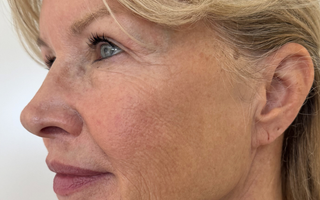
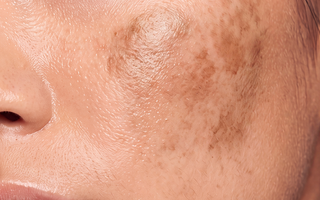
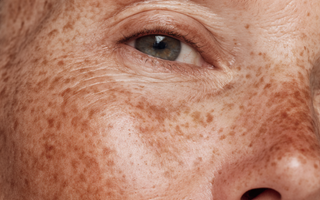
According to longevity pharmacist Dr Ibrahim Azam, chronic stress influences several of the biological processes that help maintain healthy-looking skin. Elevated cortisol can contribute to increased inflammation, impair the skin barrier, reduce collagen production and slow the skin's natural repair processes. Over time, this may leave the skin looking duller, less resilient and more prone to premature signs of ageing.
Healthy-looking skin isn't simply about what you apply to the surface. It's also influenced by how well your body is able to recover beneath it.
Supporting Recovery At A Cellular Level
Reducing everyday stress isn't always possible, but supporting the body's recovery systems can help build resilience over time.
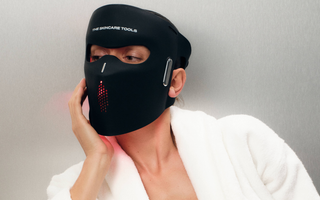
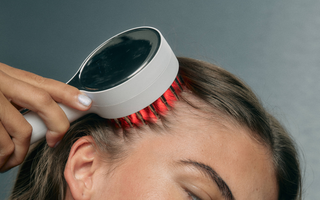
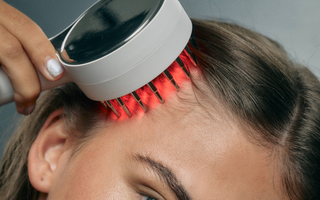
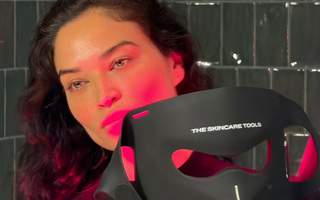
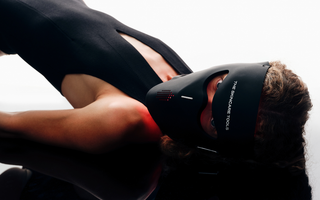
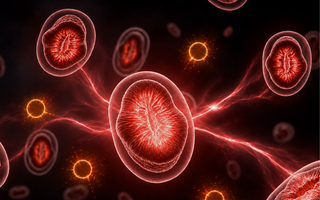
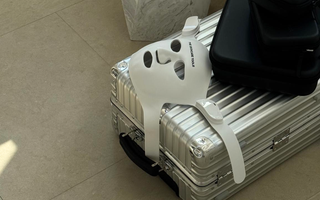
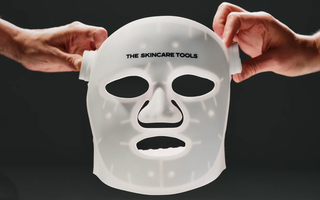
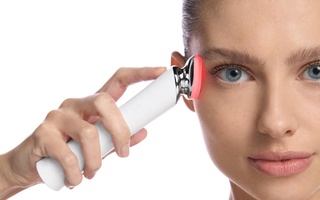
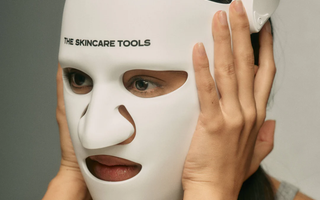
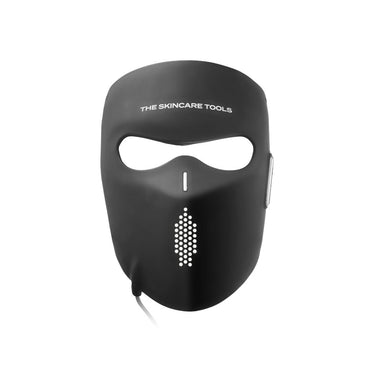
Laser Face Masks work by delivering specific wavelengths of light into the skin, where they're absorbed by the mitochondria to stimulate the production of ATP, the energy source that powers normal cellular function. This helps support collagen production, healthy skin repair and the biological processes responsible for maintaining healthier-looking skin.
Emerging research also suggests that photobiomodulation may support a healthy balance between the sympathetic ("fight or flight") and parasympathetic ("rest and recover") nervous systems. Alongside helping reduce oxidative stress, supporting healthy inflammatory responses and improving circulation, these effects may contribute to improved recovery, mental clarity and resilience to everyday stress.
Healthy-Looking Skin Starts With Recovery
Stress is part of modern life. The goal is to recognise the everyday habits that quietly keep your body's stress response activated and create more opportunities for recovery. When your body recovers well, your skin is better equipped to do the same.