Your face often reflects what's happening beneath the surface.
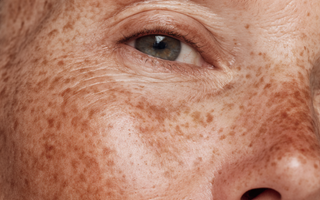
During periods of prolonged stress, many people notice puffiness around the eyes, a softer jawline and skin that simply looks more tired. It's a phenomenon that's become widely known as "cortisol face." While the term isn't a medical diagnosis, the biology behind it is.
Cortisol Isn't The Enemy
Cortisol often gets a bad reputation, but it's one of the body's most important hormones. Produced by the adrenal glands, cortisol is released whenever your body experiences physical or emotional stress. It helps regulate blood pressure, blood sugar, metabolism and inflammation while preparing the body to respond to a challenge. Without it, we wouldn't be able to adapt to everyday stressors.
The issue isn't cortisol itself. It's when the body spends too long in a heightened state of stress. When cortisol remains elevated for weeks or months, the body's normal repair and recovery processes become less efficient. Over time, those internal changes begin to influence the skin, affecting circulation, inflammation and fluid balance in ways that can change how your face looks.

Why Stress Shows Up On Your Face
One of the first changes many people notice is facial puffiness. This isn't caused by one single mechanism. Instead, it's the result of several physiological changes happening at once.
Chronic stress can influence the way the body regulates fluids, making water retention more likely. At the same time, it can alter inflammatory pathways, leaving the skin looking more reactive. Stress may also affect circulation, reducing the efficient delivery of oxygen and nutrients while slowing the removal of excess fluid from the tissues.
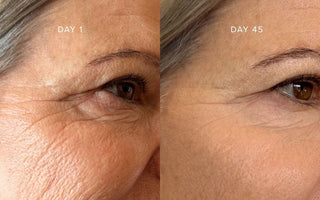
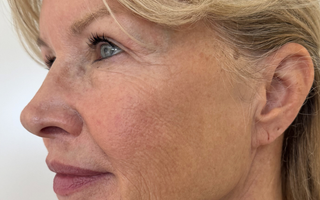
Together, these changes can leave the face looking puffier, less defined and more fatigued than usual. Many people also notice swelling around the eyes, increased redness or skin that appears dull, even after a full night's sleep.
Your Skin Responds To More Than Skincare
Healthy-looking skin isn't determined by skincare products alone. Sleep, nutrition, stress, movement and recovery all influence how your skin functions beneath the surface.
During prolonged periods of stress, these systems become interconnected. Poor sleep slows overnight repair, elevated inflammation can weaken the skin barrier, reduced circulation affects radiance and fluid retention changes facial definition. In other words, your skin often reflects what your body is experiencing.

Supporting Skin During Stress
Managing stress is always the most important long-term solution, but supporting your skin while your body is under pressure can help minimise some of the visible changes.
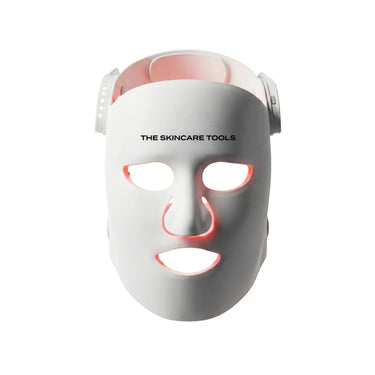
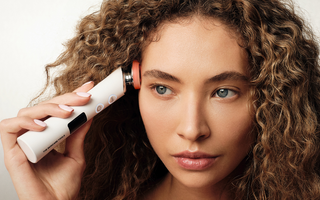
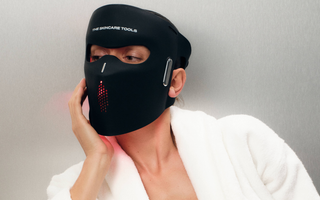
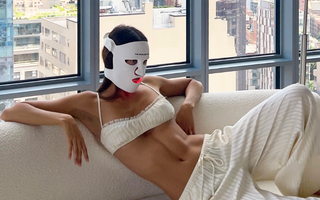
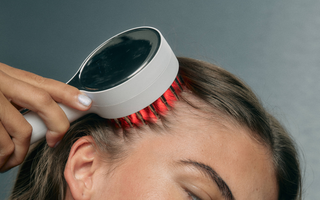
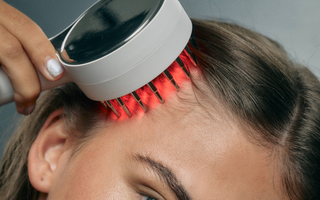
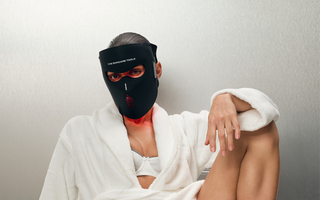
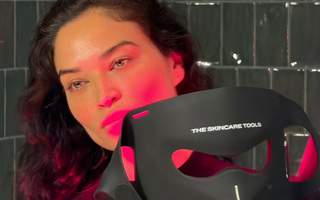
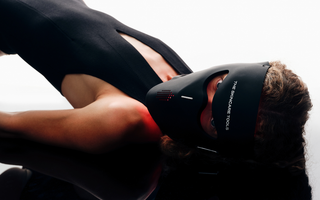
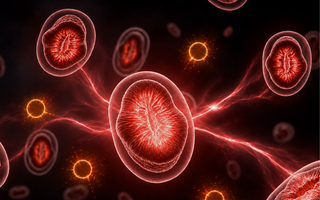
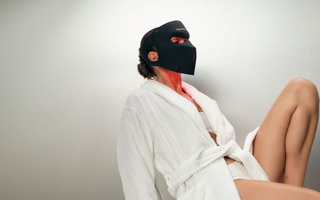
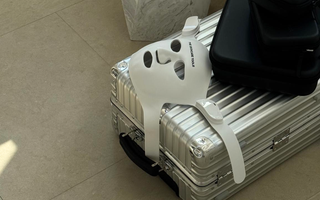
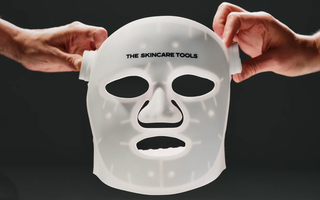
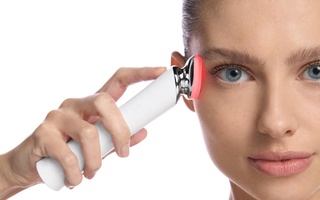
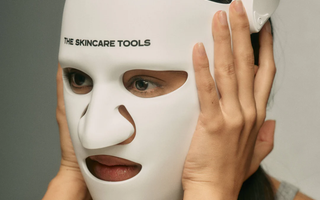
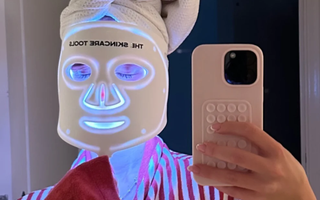
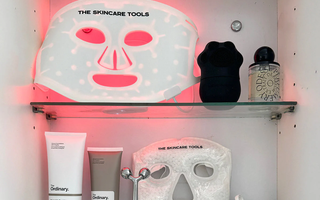
LED and Laser Light Therapy work by delivering specific wavelengths of light into the skin, where they're absorbed by the mitochondria, often referred to as the powerhouse of the cell. This helps stimulate the production of ATP (adenosine triphosphate), the energy source every cell relies on to function.
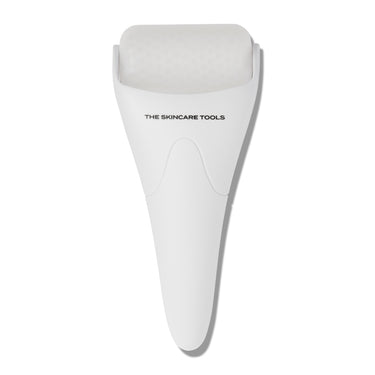
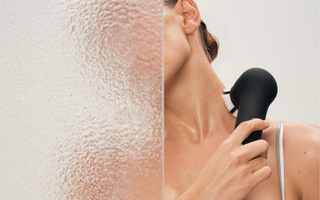
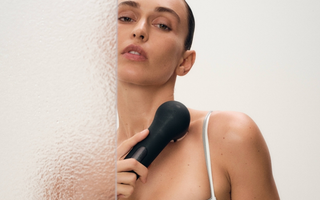
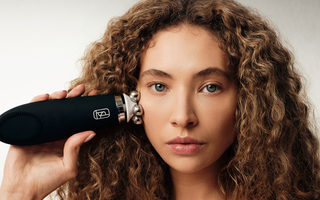
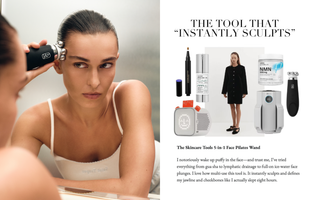
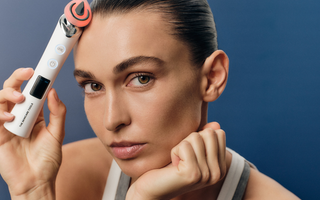
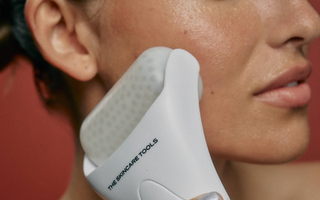
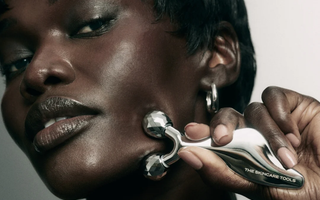
With more cellular energy available, skin cells are better equipped to carry out the biological processes involved in repair, collagen production and healthy skin renewal. Over time, this helps support healthier skin function beneath the surface. Technologies that encourage circulation and lymphatic drainage, such as facial massage, can also help temporarily reduce the appearance of fluid retention, leaving the complexion looking fresher and more defined.
Healthy-Looking Skin Starts Beneath The Surface
Stress is an unavoidable part of life, and cortisol is an essential hormone that helps keep the body functioning as it should. The goal is to support your body's ability to recover from it. When your skin is functioning optimally beneath the surface, it's better equipped to repair, renew and maintain a healthier-looking complexion over time.