If you've recently noticed more hair in your brush, on your pillow or collecting in the shower drain, you may be wondering what changed. In many cases, the answer isn't what's happening today. It happened months ago.
Physical or emotional stress can disrupt the normal hair growth cycle, causing increased shedding several weeks later. This condition, known as telogen effluvium, is one of the most common causes of temporary hair loss.
If you're experiencing stress-related hair shedding, you may also be wondering whether laser therapy for hair growth can help. While it cannot prevent the stressful event that triggered the hair loss, research suggests it can support healthier hair follicles, improve scalp circulation and help create the ideal environment for hair regrowth during recovery.
Understanding why stress hair loss appears months later helps explain where laser light therapy for hair loss fits into the recovery process.
Stress Hair Loss At A Glance
- Stress-related hair loss is commonly caused by telogen effluvium.
- Hair shedding usually begins 2–3 months after the original trigger.
- Common triggers include emotional stress, illness, surgery, childbirth and rapid weight loss.
- The hair follicle usually remains alive, meaning the condition is often temporary.
- Recovery takes time because hair grows slowly.
- Laser therapy for hair growth may help support healthier follicle function and scalp health throughout the recovery process.

Why Stress Affects Hair Growth
Every hair follicle continuously cycles through three main phases.
Anagen (Growth Phase)
This is the active growth phase, where approximately 85-90% of your hair is normally found. Individual hairs remain in this phase for several years before transitioning.
Catagen (Transition Phase)
A short phase where the follicle prepares to stop actively producing hair.
Telogen (Resting Phase)
The hair is no longer growing but remains anchored within the follicle before naturally shedding.
Under normal conditions, these phases are staggered, allowing hair to shed gradually every day while new hairs continue growing.
However, significant physiological stress can temporarily interrupt this cycle.
Why Hair Falls Out Months After A Stressful Event
When the body experiences a major stressor, it prioritises essential functions needed for healing and recovery.
Hair growth becomes less of a priority.
As a result, a larger number of hair follicles than usual prematurely leave the growth phase and enter the resting phase at the same time. This process is known as telogen effluvium.
Importantly, the hair does not fall out immediately.
Once follicles enter the resting phase, they remain dormant for several weeks before releasing the hair. This is why increased shedding typically becomes noticeable 2–3 months after the original trigger.
For many people, this delay makes it difficult to connect today's hair loss with an event that happened months earlier.

Common Causes Of Stress Hair Loss
Telogen effluvium can be triggered by a variety of physical and emotional stressors, including:
- Significant emotional stress
- Illness or high fever
- Surgery
- Rapid weight loss
- GLP-1 medication-related weight loss
- Childbirth
- Nutritional deficiencies
- Major hormonal changes
Although the trigger may only last a short period, the hair growth cycle requires time to reset.
Does Stress Hair Loss Grow Back?
In many cases, yes.
Unlike some forms of hair loss, telogen effluvium does not permanently damage the hair follicle. Once the underlying trigger has resolved, the normal hair growth cycle often resumes.
However, hair regrowth is gradual.
Because hair grows slowly, it may take several months before improvements in density become noticeable. During this time, supporting scalp health and follicle function can help create the ideal environment for healthy hair growth.
How Does Laser Therapy For Hair Growth Work?
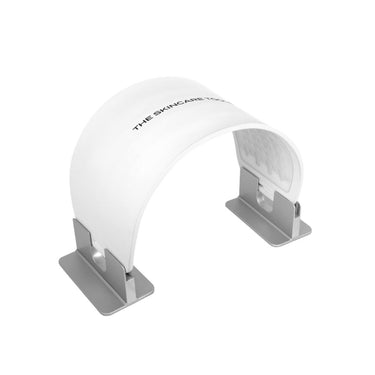
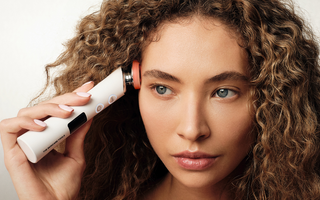
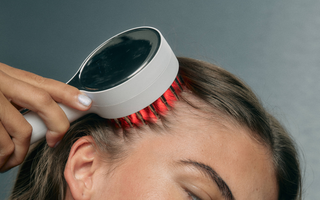
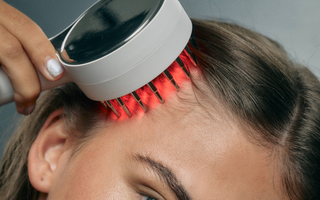
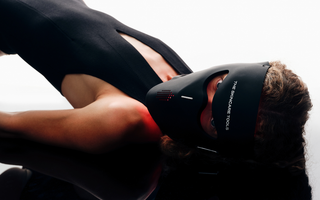
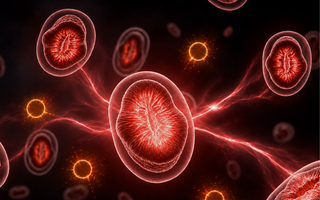
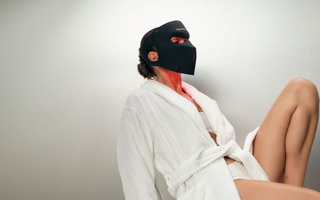
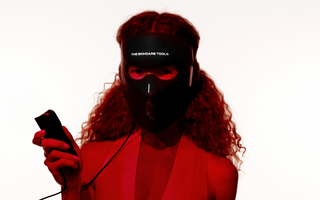
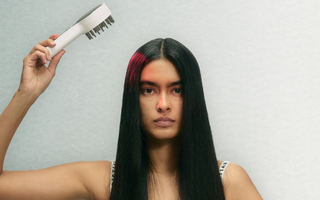
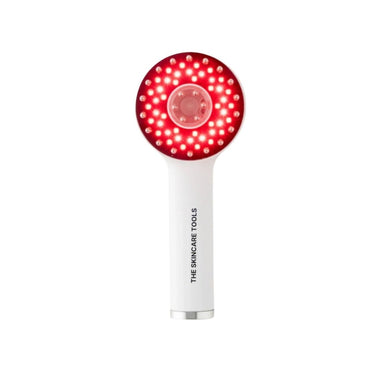
Laser therapy for hair growth, also known as laser light therapy for hair loss or low-level laser therapy (LLLT), uses specific wavelengths of therapeutic light to stimulate photobiomodulation within the scalp.
When this light is absorbed by cells inside the hair follicle, it helps increase cellular energy production in the form of ATP (adenosine triphosphate). ATP is the energy source cells rely on to carry out normal biological functions, including those involved in healthy hair growth.
Research suggests that laser therapy may help:
- Support healthier hair follicle function
- Improve scalp circulation
- Increase cellular energy production (ATP)
- Reduce oxidative stress within the follicle
- Support the normal hair growth cycle
- Promote stronger, healthier-looking hair over time
Unlike topical products that sit on the surface of the scalp, laser therapy works by supporting the biological processes occurring within the hair follicle itself.

Does Laser Therapy Work For Stress Hair Loss?
While laser therapy for hair growth cannot eliminate the original stressor that caused telogen effluvium, it may help support the scalp and hair follicles as the natural hair growth cycle recovers.
This is because laser light therapy for hair loss supports healthy follicle function rather than simply masking the symptoms of hair thinning.
Consistency is essential.
Hair follicles respond gradually, and because hair grows slowly, visible improvements typically occur over several months rather than weeks.
Laser therapy should be viewed as one part of a broader approach that includes identifying and addressing the underlying cause of stress-related hair loss.
Who May Benefit From Laser Therapy For Hair Growth?
Laser therapy may be suitable for people experiencing:
- Stress-related hair shedding
- Early hair thinning
- Age-related thinning
- Postpartum hair loss
- Menopause-related hair thinning
- Hair loss following rapid weight loss or GLP-1 medications
As with any treatment, it is important to speak with a healthcare professional if you experience sudden, severe or persistent hair loss.
Healthy Hair Starts At The Scalp
Stress hair loss can feel alarming, particularly when it seems to appear without warning.
In reality, what you're seeing today often reflects changes that began months earlier.
Understanding the biology behind telogen effluvium helps explain why the shedding is delayed and why recovery requires patience.
Supporting scalp health through good nutrition, stress management and evidence-based technologies such as laser therapy for hair growth may help create the ideal environment for healthier, stronger-looking hair over time.
Healthy hair doesn't begin with the strand you can see. It begins with the health of the follicle beneath the surface.
Frequently Asked Questions
How long does stress hair loss last?
Most cases of telogen effluvium begin around 2-3 months after the triggering event and gradually improve over the following several months once the underlying cause has resolved.
Does stress hair loss always grow back?
In many cases, yes. Because telogen effluvium usually does not permanently damage the hair follicle, hair often regrows once the normal hair cycle resumes.
Does laser therapy for hair growth work for stress hair loss?
Laser therapy may help support healthy hair follicles, improve scalp circulation and create an environment that supports hair regrowth. While it cannot remove the original cause of stress hair loss, it may help support recovery as the hair growth cycle returns to normal.
How often should I use laser therapy for hair growth?
This depends on the specific device being used. Most at-home laser hair therapy devices are designed to be used consistently several times per week according to the manufacturer's instructions.
Is laser light therapy for hair loss safe?
Low-level laser therapy has been widely studied and is generally considered safe when using appropriately designed, clinically tested devices and following the manufacturer's instructions.