Your skin doesn't always become dry when its barrier is compromised. Sometimes it becomes more sensitive. Sometimes it looks redder than usual. Your favourite moisturiser suddenly stings, foundation no longer sits smoothly or your skin feels both oily and dehydrated at the same time.
While these changes may seem unrelated, they often point to the same underlying issue: a damaged skin barrier.
The skin barrier is your body's first line of defence. It keeps moisture inside the skin while protecting against pollution, bacteria, allergens and environmental stressors. When it's functioning well, your skin feels comfortable, hydrated and resilient. When it's compromised, even the most carefully curated skincare routine may stop delivering the results you're used to.
So, what does a damaged skin barrier actually look like?
It Doesn't Always Look Like Dry Skin
When most people think of a damaged skin barrier, they picture flaky, dry skin. While dryness is certainly one sign, it's far from the only one.
A compromised skin barrier affects the way your skin functions, not just how it looks. As the barrier weakens, it becomes less effective at retaining moisture and defending against external irritants. This can trigger a range of symptoms, many of which are mistaken for sensitive skin, dehydration or even acne.
The key is recognising the pattern rather than focusing on one symptom alone.
1. Your Skin Feels Tight After Cleansing
Healthy skin shouldn't feel uncomfortable after you've washed it.
If your face feels stretched, tight or dry within minutes of cleansing, your skin may be losing more moisture than it should. This often happens when the protective lipids that hold the barrier together have been disrupted, making it easier for water to escape.
Rather than feeling refreshed, your skin feels like it's asking for moisturiser immediately.

2. Products That Never Bothered You Suddenly Sting
One of the clearest signs of barrier damage is when products you've used for months, or even years, suddenly begin to burn or sting.
This doesn't necessarily mean you've become allergic to your skincare. Instead, a weakened barrier allows ingredients to penetrate more deeply than they normally would, making the skin far more reactive.
If even a basic moisturiser causes discomfort, your barrier may need time to recover.
3. Your Skin Is Oily but Still Feels Dry
It sounds contradictory, but it's surprisingly common.
When the skin barrier becomes compromised, water escapes more easily through the surface of the skin. In response, your sebaceous glands may produce more oil to compensate. The result is skin that looks shiny while still feeling dehydrated underneath.
If your complexion is oily by midday but still feels tight after cleansing, a damaged skin barrier may be contributing to the imbalance.
4. Redness Becomes Your New Normal
Temporary redness after exercise or a hot shower is completely normal.
Persistent redness that seems to linger throughout the day is different. As the barrier weakens, irritants are able to penetrate the skin more easily, increasing inflammation and making the complexion appear flushed or reactive.
You may notice your skin becoming more sensitive to weather changes, skincare products or even temperature fluctuations.
5. Breakouts Are Taking Longer to Heal
A damaged skin barrier doesn't directly cause acne, but it can make existing blemishes more difficult to manage.
Healthy skin is constantly repairing itself. When the barrier is compromised, this repair process becomes less efficient, meaning inflammation may last longer and blemishes can take more time to settle.
If your skin seems slower to recover than usual, barrier health may be part of the picture.

6. Your Skin Feels Rough Instead of Smooth
Run your fingers across your cheeks.
Does your skin feel rough, uneven or slightly sandpaper-like?
When the barrier is functioning well, skin cells shed naturally and evenly. When it's compromised, this process becomes disrupted, leaving patches of dry, uneven texture that don't disappear with moisturiser alone.
It's tempting to reach for an exfoliating scrub, but doing so may only make the problem worse.
7. Your Makeup Doesn't Sit Like It Used To
Sometimes your makeup notices a damaged skin barrier before you do.
Foundation may cling to dry patches, separate throughout the day or emphasise texture that wasn't there before. Concealer can crease more easily, and your skin may lose the smooth, hydrated finish it once had.
When the skin's surface becomes uneven through dehydration and barrier disruption, makeup simply has a less even canvas to sit on.
8. Your Skin Looks Tired, Even When You Aren't
A healthy skin barrier helps the skin retain moisture and reflect light evenly, giving it a naturally radiant appearance.
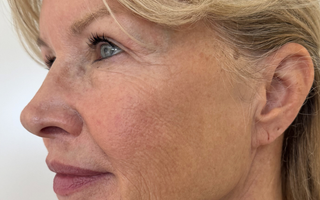
When that barrier becomes compromised, the complexion often appears dull, flat or lacking in brightness. Fine lines may also seem more noticeable, not because they've suddenly deepened, but because dehydrated skin doesn't appear as plump or smooth.
Often, restoring hydration and barrier function is enough to noticeably improve the skin's overall appearance.
So, Is It Your Skin Barrier?
One symptom on its own doesn't necessarily mean your skin barrier is damaged.
However, if you're experiencing several of these changes at the same time, such as tightness after cleansing, increased sensitivity, persistent redness, dehydration and rough texture, there's a good chance your skin's protective barrier has become compromised.
The encouraging news is that the skin barrier is incredibly resilient. Given the right support, it has a remarkable ability to repair itself over time.
What Should You Do Next?
The first step is resisting the urge to throw more products at the problem.
Instead, simplify your routine and focus on supporting your skin rather than challenging it. Choose a gentle cleanser, use a moisturiser rich in barrier-supporting ingredients such as ceramides and glycerin, and wear sunscreen every day to protect your skin from further environmental stress.
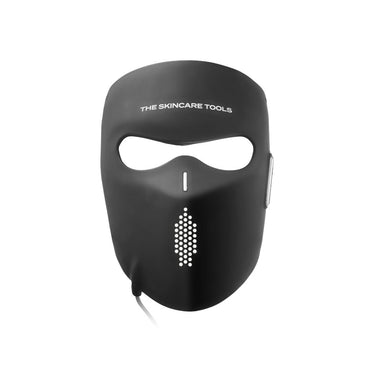
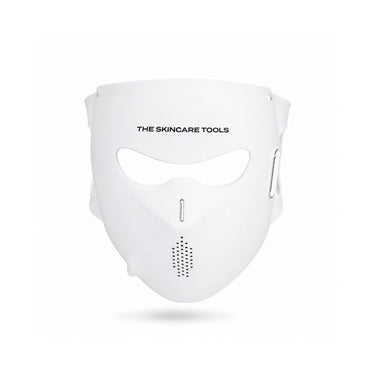
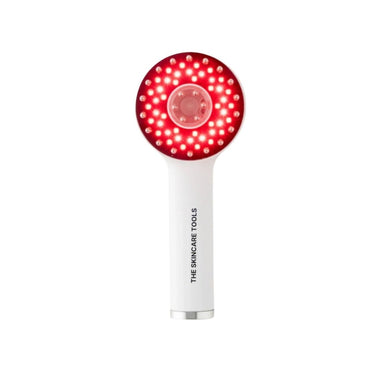
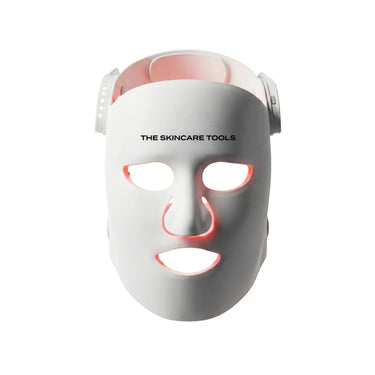
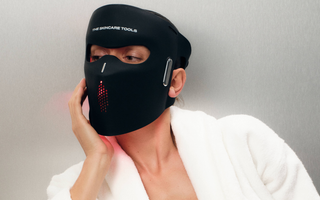
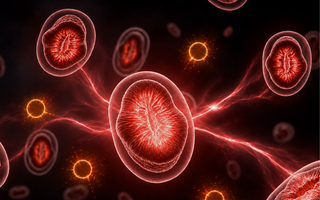
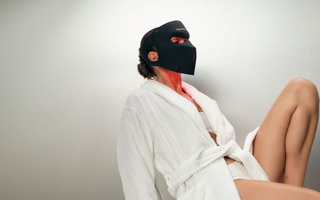
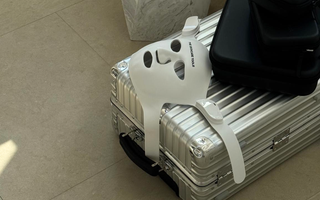
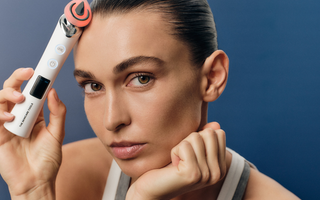
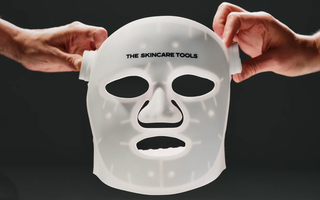
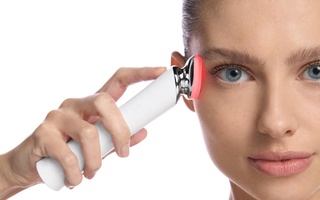
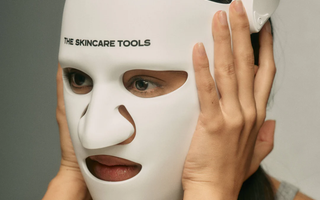
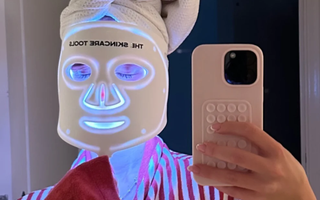
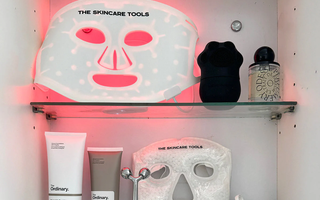
Supporting the skin's natural repair processes with technologies such as red and near-infrared LED or Laser Light Therapy may also help promote healthier skin function by enhancing cellular energy production and supporting normal repair mechanisms.
If you're looking for a complete step-by-step guide, including the best ingredients, how long recovery takes and exactly how to rebuild your skin barrier, read our guide on How to Repair a Damaged Skin Barrier.
The Bottom Line
A damaged skin barrier doesn't always announce itself through obvious dryness. More often, it shows up as subtle changes in how your skin looks, feels and behaves. Products begin to sting, redness lingers longer than usual, makeup sits differently and your complexion seems unable to hold onto hydration.
Recognising these early signs gives you the opportunity to address the underlying cause before the problem becomes more severe. Because healthy-looking skin doesn't begin with another serum. It begins with a strong, resilient skin barrier.